
Melaleuca fulgens
Melaleuca fulgens
Description
Sowing dates
The propagation of Melaleuca fulgens is effectively achieved through seed sowing or semi-hardwood cuttings. Seeds are typically sown in early spring into a well-drained, sandy propagation mix.
Germination requires consistent warmth and bright, indirect light. Seedlings are delicate during the first few weeks, so maintaining an optimal moisture level in the substrate is critical for their survival.
For vegetative propagation, cuttings are taken from healthy stems during the summer months. Using a rooting hormone significantly improves the success rate of establishing a robust root system.
Once the cuttings are established, they are gradually acclimatized to outside conditions before being transplanted into their permanent location. Proper spacing is essential to ensure adequate airflow around the base.
Transplanting should be completed before the onset of extreme temperatures to allow the plant to settle into the soil. Ensuring a deep, well-draining hole is fundamental to preventing early plant stress.
Growing requirements
Melaleuca fulgens, a member of the Myrtaceae family, is native to Western Australia. It is a hardy, shrubby plant well-adapted to rocky, arid environments with nutrient-poor soil compositions.
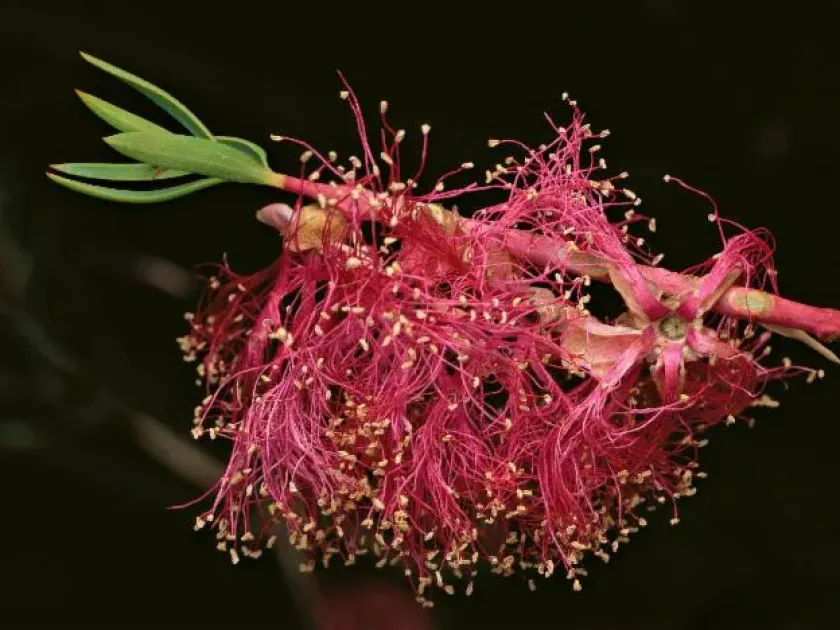
This species thrives in full sun, which is necessary to stimulate its characteristic fiery-red bottlebrush flowers. Shade exposure results in stunted growth and a significant reduction in the quantity of blooms.
Soil drainage is the most vital requirement for this crop. It does not tolerate waterlogged conditions, making it susceptible to root rot if grown in heavy clay soils without substantial amendment.
Regarding climate, the plant prefers temperate conditions with mild winters. While it can tolerate light frosts, it is not considered frost-hardy and needs protection in areas where temperatures drop below freezing for extended periods.
Maintenance involves minimal irrigation, as established specimens are drought-tolerant. Fertilizer application should be managed carefully, as high phosphorus levels can be toxic to many members of the Myrtaceae family.
Main diseases and pests
Common pests affecting Melaleuca fulgens include mealybugs and scale insects. These sap-sucking pests can weaken the plant and lead to the development of sooty mold on the foliage.
Spider mites can become a problem in hot, dry environments. Regular misting of the foliage can help mitigate the risk of mite infestations by increasing local humidity levels.
Root rot, caused by fungal pathogens such as Phytophthora, is the most common disease associated with poor drainage. Once established, this condition is often fatal to the plant.
Integrated pest management, including the use of horticultural oils and neem oil, is recommended for controlling insect populations without relying on harsh chemicals.
Preventative care measures, such as avoiding overhead watering and maintaining proper spacing between plants, ensure the health and longevity of the crop in any landscape or garden setting.