
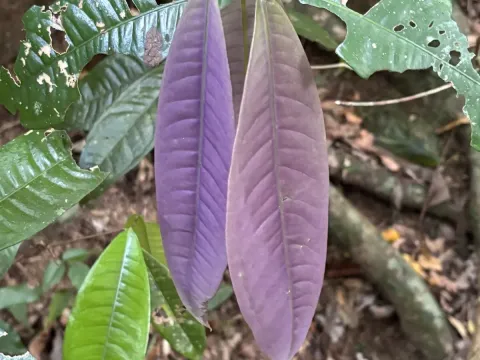
Lindsayomyrtus
Lindsayomyrtus
Lindsayomyrtus is a distinct genus within the Myrtaceae family, known for its evergreen foliage and unique botanical architecture. This plant is primarily native to the tropical forests of Northern Australia and New Guinea, thriving in hot and humid conditions.
What the section contains

Lindsayomyrtus
The climate requirements for successful cultivation are strictly tropical. It prefers areas with consistent temperatures and high levels of rainfall. In temperate zones, it can only be maintained in climate-controlled glasshouses that mimic its native habitat throughout the year.
Soil conditions must be characterized by excellent drainage. These plants are sensitive to waterlogging, which often leads to root rot. A nutrient-rich, slightly acidic, and well-aerated substrate is recommended for optimal development of the root system.
Botanically, Lindsayomyrtus is noted for its racemose inflorescences and aromatic foliage. The leaves contain essential oils that serve as a natural defense mechanism against herbivores and pathogens, making the tree relatively robust once established.
Horticulturally, the plant is valued for its potential in landscape design within tropical climates. While it is not a common industrial crop, its aesthetic appeal and scientific value make it a sought-after specimen for botanical collections and specialized nurseries.
The primary threats to Lindsayomyrtus include various fungal diseases that thrive in poorly ventilated environments. Leaf spots caused by excessive humidity are common if the air circulation is inadequate.
Pests such as scale insects and spider mites frequently target the succulent parts of young growth. Regular monitoring and the application of horticultural oils or soaps are often effective in managing these infestations.
Root rot remains the most significant risk to the plant's health. It is often caused by over-irrigation or heavy soil textures that do not allow for sufficient drainage. Proper irrigation management is vital to preventing irreversible damage.
Bacterial pathogens can enter the plant through mechanical wounds or insect bites. Maintaining high standards of sanitation and using clean pruning tools significantly reduces the risk of such infections spreading.
Environmental stress, such as exposure to cold temperatures or direct drying winds, can weaken the plant's natural defenses, making it more susceptible to opportunistic secondary infections by pests and fungi.