
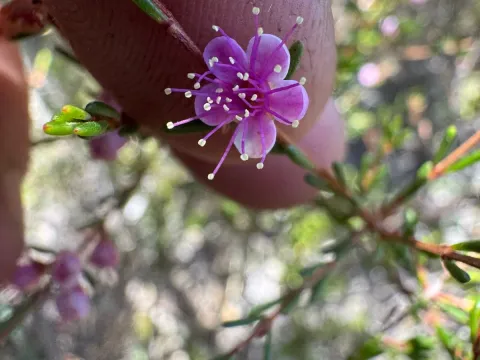
Hypocalymma
Hypocalymma
Hypocalymma is a genus of evergreen shrubs belonging to the Myrtaceae family. These plants are native to the temperate and semi-arid regions of Western Australia.
What the section contains


Hypocalymma
The culture thrives in full sun, which is essential for healthy foliage development and prolific flowering. Exposure to direct light helps maintain the dense, compact structure of the plant.
Soil requirements are strict, as Hypocalymma demands excellent drainage to prevent root rot. Sandy or gritty, well-aerated substrates are ideal for replicating their natural habitat conditions.
Climate management involves avoiding heavy frosts and excessive moisture during the winter season. In non-native regions, these plants are often grown in containers to allow for controlled environmental conditions.
Fertilization should be managed carefully, using low-phosphorus fertilizers, as species in the Myrtaceae family are often sensitive to high phosphorus levels. Regular monitoring of moisture levels is crucial for plant vigor.
The primary threat to Hypocalymma is Phytophthora root rot, which typically arises from waterlogged soil conditions. This fungal disease is often fatal if not identified early.
Pests such as spider mites and mealybugs can occasionally infest the shrubs, particularly when grown in environments with poor air circulation or low humidity.
Preventive maintenance includes strategic pruning to ensure proper airflow through the canopy. This practice significantly reduces the risk of fungal infections and keeps the plant structure robust.
Sanitation is key; all garden tools used for pruning should be sanitized to prevent the transmission of pathogens between healthy plants.
Integrated pest management, including regular inspection and the use of targeted biological controls, is effective in managing minor pest outbreaks without harming the plant.