
Hypocalymma xanthopetalum
Hypocalymma xanthopetalum
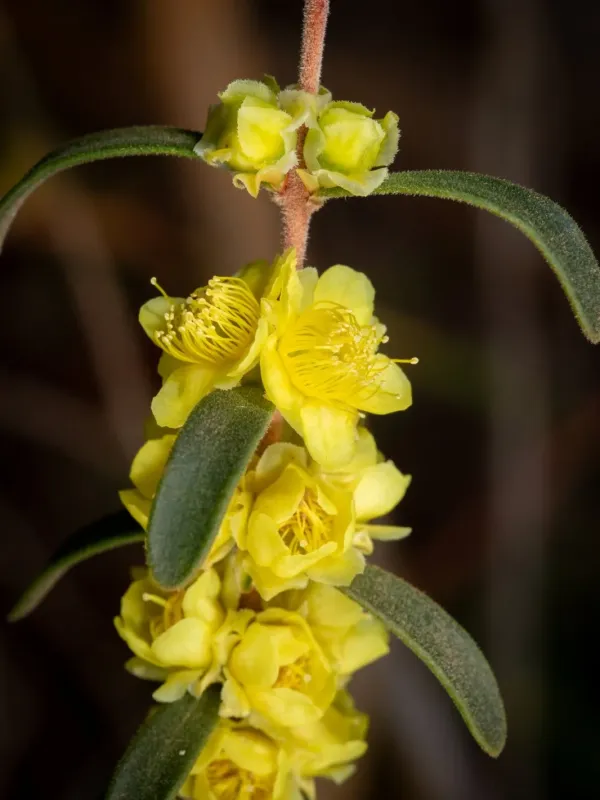
Description
Sowing dates
Propagation of this culture in specialized nurseries is carried out mainly by seeds or cuttings. Sowing takes place in the autumn-winter period, ensuring a controlled temperature to stimulate germination.
For successful rooting of cuttings, semi-hardwood shoots are selected and treated with phytohormones to accelerate root formation. It is essential to maintain high substrate moisture levels during the first weeks after planting.
Choosing the time for outdoor planting depends on the end of spring frosts, as young plants are sensitive to sharp temperature drops. Seedlings are planted in their permanent location once stable warm weather arrives.
In commercial operations, it is vital to follow a planting scheme that ensures optimal airflow between bushes, preventing water stagnation and the development of rot. The spacing between rows should be at least 1.5 meters.
Soil preparation before sowing or planting includes deep tilling and the addition of organic fertilizers, which improve soil structure and are critical for the development of the plant's root system.
Growing requirements
Hypocalymma xanthopetalum belongs to the Myrtaceae family and is native to the southwestern regions of Australia. The culture prefers specific sandy or sandy-loam soils with excellent drainage properties.
The plant shows high adaptability to sunlit areas, but during the active growth phase, it requires protection from direct midday sun in arid regions. Optimal development is achieved in partial shade.
A key requirement is a neutral or slightly acidic soil composition. It is important to avoid liming, as an excess of calcium negatively affects the absorption of nutrients by the plant's root system.
Irrigation must be moderate, excluding waterlogging of the root zone, which leads to rapid plant death due to root rot. During the summer, regular sprinkling is necessary to maintain leaf turgor.
Agricultural practices include mulching the surface around the bush, which helps retain natural soil moisture and protects the root system from overheating, simulating natural woodland conditions.
Harvesting
The commercial use of this plant is primarily associated with the floristry industry, where its decorative blooming and unique leaf texture are highly valued. Harvesting is conducted during the peak of bud opening.
Cut stems have good shelf life if stored at temperatures between 4 and 8 degrees Celsius. It is important to use clean water with additives to extend the vase life of the cut flowers.
Mechanization of the harvesting process is difficult due to the fragility of the flower stalks, so the harvest is most often performed manually. This ensures the preservation of the product's appearance and prevents mechanical damage.
After harvesting, sanitary pruning of the plant is carried out, removing dry and damaged parts, which promotes rejuvenation of the bush and the formation of new shoots for the next growing season.
Grading the product by stem length and inflorescence quality helps optimize market value and meet the strict quality standards demanded by wholesale buyers in the decorative horticulture segment.