
Heteropyxis
Heteropyxis
Heteropyxis is a genus of small trees and shrubs belonging to the Myrtaceae family. Native primarily to Southern and Eastern Africa, these plants are well-known for their aromatic foliage and historical significance in traditional local practices.
What the section contains


Heteropyxis
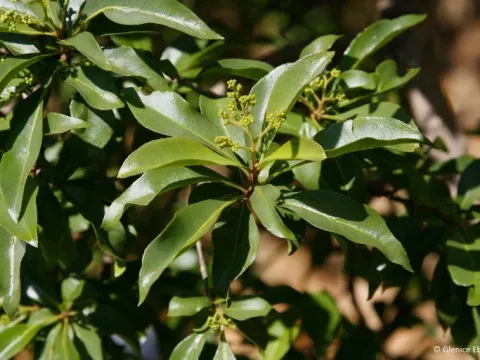
Botanically, Heteropyxis is characterized by simple, gland-dotted leaves that release a pleasant fragrance when crushed. The flowers are small, typically appearing in clusters, and play a crucial role in supporting local pollinator populations in their native habitats.
The plant thrives in well-drained, sandy or loamy soils and is generally found in rocky outcrops or open woodland areas. Proper drainage is the most vital requirement for successfully cultivating this species, as it is highly susceptible to root diseases in waterlogged conditions.
Heteropyxis requires full sun exposure to maintain its health and vigour. While it exhibits natural drought tolerance once established, young saplings require consistent moisture to develop a deep and resilient root structure capable of supporting the tree in dry environments.
Beyond its ecological importance, Heteropyxis has been used in ethnobotany for its potential medicinal properties. The essential oils extracted from the leaves are studied for their antimicrobial effects, while the wood itself is occasionally utilized for small-scale construction due to its density and durability.