
Hypocalymma robustum
Hypocalymma robustum
Description
Growing requirements
Hypocalymma robustum is a beautiful evergreen shrub belonging to the Myrtaceae family. Native to Western Australia, it is widely recognized for its stunning aesthetic value and suitability for dry, Mediterranean-style landscapes.
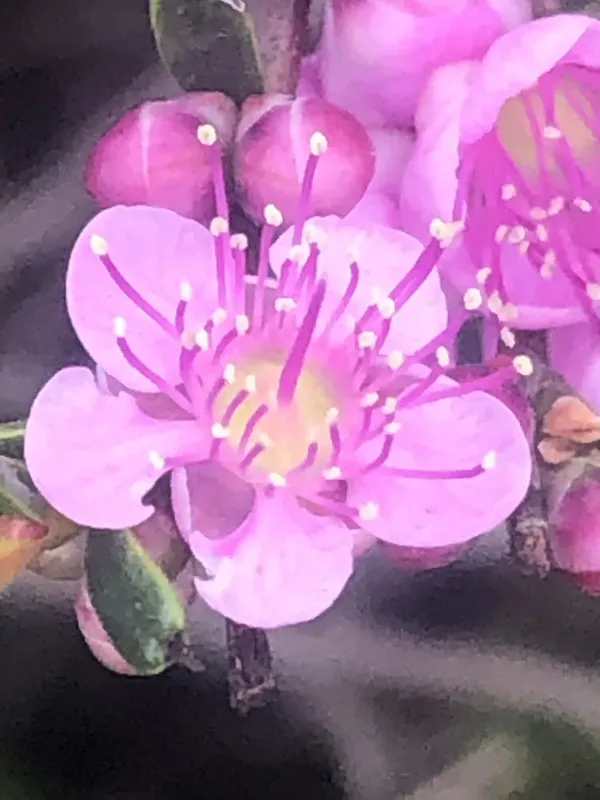
Botanically, this species is characterized by its stiff, linear leaves and distinct rose-pink flowers that appear along the stems. The plant typically reaches a moderate height, making it an excellent candidate for garden borders, rockeries, or container cultivation.
The plant requires well-draining, sandy or loamy soil with a slightly acidic to neutral pH. It is highly intolerant of waterlogging, which necessitates careful site selection and the use of raised beds if the natural soil is heavy or prone to moisture retention.
Regarding climate, it thrives in environments with mild winters and warm, dry summers. While it has some tolerance for light frost, it generally performs best in areas where temperatures do not drop significantly below freezing for extended periods.
Basic maintenance involves minimal irrigation once the plant is established, as it possesses good drought tolerance. A light pruning after the flowering season is highly recommended to maintain its compact shape and encourage denser growth for the following year.
Main diseases and pests
The primary threat to the health of this shrub is root rot, specifically pathogens belonging to the Phytophthora genus. These fungi thrive in damp soil, making proper drainage the most effective preventive measure for any grower.
Insect pests such as aphids can occasionally infest the tender new growth during the active spring season. If left unchecked, these insects can weaken the plant, so monitoring the tips of the branches is essential for early intervention.
Spider mites can become a problem in indoor settings or during exceptionally hot, dry spells. Regular misting of the foliage or maintaining adequate ventilation around the plant canopy helps in preventing mite outbreaks.
Nutrient imbalances, particularly iron deficiency, may lead to chlorosis, manifesting as yellowing foliage. Applying balanced, low-phosphorus fertilizers suitable for native Australian plants is crucial for maintaining overall plant vigor and vibrant color.
Poor air circulation increases the risk of fungal infections such as powdery mildew, especially in humid conditions. Ensuring that the plants are spaced appropriately allows for better airflow, reducing the likelihood of humidity-related pathogens settling on the leaves.