
Eugenia cerasiflora
Eugenia cerasiflora
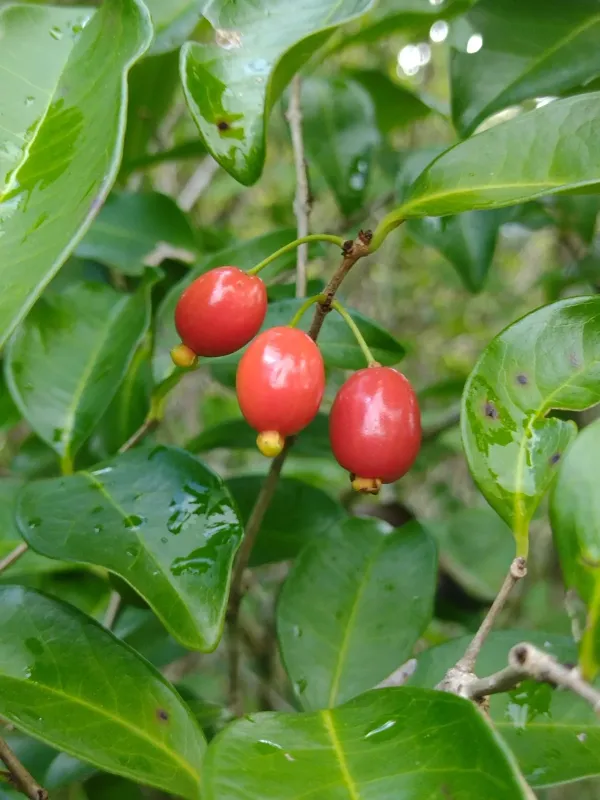
Description
Sowing dates
Eugenia cerasiflora is a tropical evergreen species that requires controlled environments, such as greenhouses, for successful propagation in non-native climates.
Seeds should be sown during the spring season when increased daylight hours and rising temperatures provide the best conditions for germination.
As the seeds of this species have a very short viability period, it is crucial to sow them immediately after harvesting from the fruit to ensure high germination rates.
Seeds are typically planted at a shallow depth of 1 to 2 centimeters in a well-draining, nutrient-rich potting medium to facilitate initial root development.
Consistent soil moisture and a stable temperature around 25-28 degrees Celsius are essential during the germination phase, which may take several weeks.
Growing requirements
Belonging to the Myrtaceae family, this plant thrives in tropical conditions characterized by consistent warmth and high relative humidity throughout the year.
The ideal soil for Eugenia cerasiflora is fertile, well-draining, and slightly acidic, ensuring the root system is protected from waterlogging and rot.
Proper irrigation management is vital; the plant requires regular watering but cannot tolerate stagnant water, which is a major threat to its health.
Optimal growth is achieved in bright, indirect sunlight, as excessive direct exposure can scorch the foliage of younger, less established trees.
Regular maintenance, including balanced fertilization and ensuring good airflow, supports strong branch architecture and healthy, vigorous growth of the tree.
Yield
Under favorable tropical conditions, Eugenia cerasiflora typically begins to bear fruit within three to five years after initial planting.
The tree produces small, cherry-like fruits that are valued for their taste and are commonly used in various culinary applications, including jams and desserts.
Yield capacity is significantly influenced by the tree's health, nutritional status, and the intensity of care provided by the orchard manager.
Systematic pruning is recommended to maintain a manageable tree height and to ensure that light penetrates deep into the canopy for better fruit production.
Agricultural productivity is generally highest when trees are planted in suitable climates that mimic their natural environmental preferences.
Main diseases and pests
Common pests affecting this species include scale insects and mealybugs, which congregate on young shoots and the undersides of leaves, sap-sucking and weakening the plant.
Fungal diseases, particularly those affecting the roots, are a primary concern and usually result from poor drainage or excessive soil moisture levels.
Preventive strategies should focus on maintaining adequate ventilation within the canopy and avoiding the over-saturation of the soil surface.
When pest outbreaks occur, targeted insecticide treatments are necessary; however, care must be taken to follow strict harvest safety intervals.
Integrated pest management, combining physical monitoring and biological controls, offers the most sustainable approach for managing crop health.
Harvesting
Harvesting is performed manually to protect the delicate skin of the fruit, as mechanical harvesting methods are likely to cause significant damage.
Fruit maturity is indicated by the transition of skin color to a deeper, richer hue, signaling that the flavor profile is at its peak.
Since fruit maturation on a single tree often occurs in stages, multiple picking passes are required throughout the harvest season.
Once harvested, the fruit is highly perishable and should be processed or sold quickly to maintain its freshness and nutritional quality.
Due to the short shelf life of the fruit, local market distribution is prioritized over long-distance transport, which requires expensive cold-chain logistics.