
Eugenia candolleana
Eugenia candolleana
Description
Growing requirements
Eugenia candolleana, commonly known as the rainforest plum, is a fascinating member of the Myrtaceae family. Native to the Atlantic forests of Brazil, this evergreen shrub or small tree is highly valued for its edible fruits.
The plant thrives in tropical and subtropical climates where temperatures remain consistently warm throughout the year. It is highly sensitive to frost, which makes it suitable primarily for regions without extreme cold conditions.
Regarding soil requirements, it prefers acidic to neutral, well-drained soil. Good drainage is essential to prevent root rot, which is a common issue for this species when grown in waterlogged environments.
Sun exposure is another key factor for successful growth. While young saplings may benefit from partial shade, mature trees require significant light to maintain their health and stimulate productive fruit bearing.
Proper agricultural practices involve applying organic mulch around the base to retain moisture and suppress weeds. Regular, balanced fertilization during the growing season helps the plant achieve optimal leaf development and fruit yield.
Yield
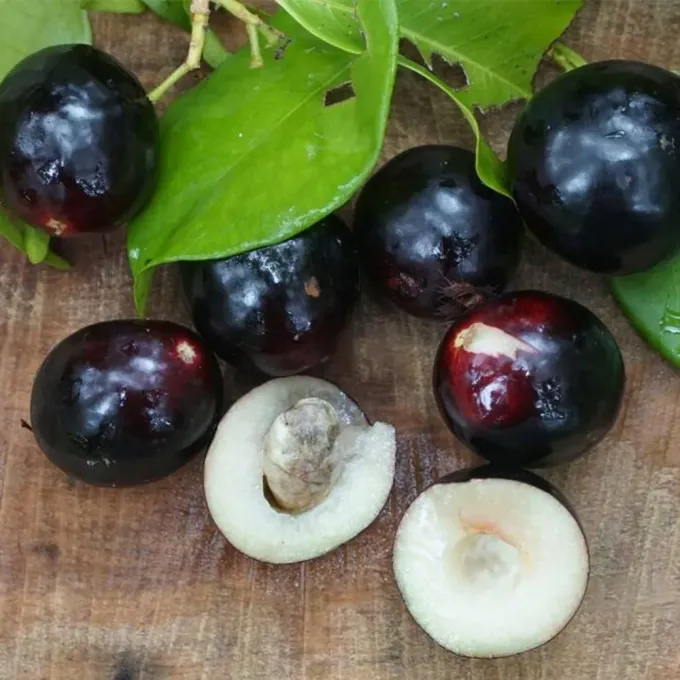
The fruit of Eugenia candolleana is a dark purple to black berry with a thin skin and succulent, sweet-tasting flesh. A mature tree can provide a substantial harvest, making it a reliable addition to any tropical fruit garden.
Culinary applications for these fruits are extensive. They are delicious eaten fresh, but they are also frequently processed into jellies, jams, syrups, and fresh juices due to their unique flavor profile.
The economic value of this crop is primarily found in local markets where exotic produce is highly sought after. Because of its short shelf life after picking, local consumption or immediate processing is highly recommended.
In addition to its culinary uses, the plant serves an important role in ornamental horticulture. Its dense, shiny foliage and attractive flowers make it a visually appealing option for landscapes and urban gardens.
Yield management involves selective harvesting as fruits ripen at different intervals. This staggered harvest process ensures that fruits are gathered at their peak of sweetness and quality.
Main diseases and pests
Common health threats to Eugenia candolleana include fungal diseases such as leaf spot, which are often encouraged by excessive humidity and lack of air circulation within the tree canopy.
Insect pests, including scale insects and mealybugs, can infest the branches and sap the plant's vigor. Integrated pest management strategies, such as physical removal or eco-friendly oil sprays, are effective for control.
Nutrient deficiencies, specifically iron or magnesium, can cause leaf chlorosis. Regular soil testing and the application of chelated micronutrients can help maintain the vibrant green color of the foliage.
Maintenance pruning is vital to allow sunlight to penetrate the inner canopy, reducing the microclimates where diseases might flourish. Removing dead or crossing branches promotes overall plant hygiene.
For large-scale cultivation, farmers should implement a strict monitoring schedule to identify potential outbreaks of pests or diseases early, ensuring that interventions remain localized and effective.