
Austromyrtus dulcis
Austromyrtus dulcis (C. T. White) L. S. Sm.
Description
Sowing dates
Austromyrtus dulcis, commonly known as the Midgen Berry, is a member of the Myrtaceae family. Propagation is primarily achieved through seeds or semi-hardwood cuttings under greenhouse conditions to ensure high success rates.
Seed germination requires warm, humid conditions, typically maintained at 22-25 degrees Celsius. Using a well-draining peat and perlite-based potting mix is essential for initial seedling development.
Seedlings should be pricked out when the first set of true leaves appears. Providing gentle, filtered light at this stage prevents leggy growth and strengthens the stem structure for further transplanting.
When moving to a larger growing medium, ensure the pot or soil bed has excellent drainage to accommodate the sensitive root system. The plant thrives in an environment that mimics its natural Australian coastal habitat.
Acclimatization to outdoor conditions should be gradual. Young plants require consistent monitoring for moisture levels to avoid stress during their transition to the nursery or field.
Growing requirements
This species is native to eastern Australia and prefers a climate with high humidity and mild temperatures. It requires a sunny position, though protection from intense afternoon sun is recommended in hotter climates.
The ideal soil is slightly acidic, loamy, and rich in organic matter. Soil pH should ideally be maintained between 5.5 and 6.5 to ensure optimal nutrient absorption and plant health.
Regular watering is necessary, especially during the flowering and fruit-setting phases. However, the soil must never be waterlogged, as this is the primary cause of root rot in Myrtaceae species.
The plant is not frost-tolerant. In temperate regions, it is best grown in containers that can be moved into a frost-free greenhouse or conservatory during winter months to prevent cold damage.
Fertilization should be handled with care using a low-phosphorus fertilizer specifically designed for native plants, applied during the active growth period to promote healthy foliage and berry production.
Yield
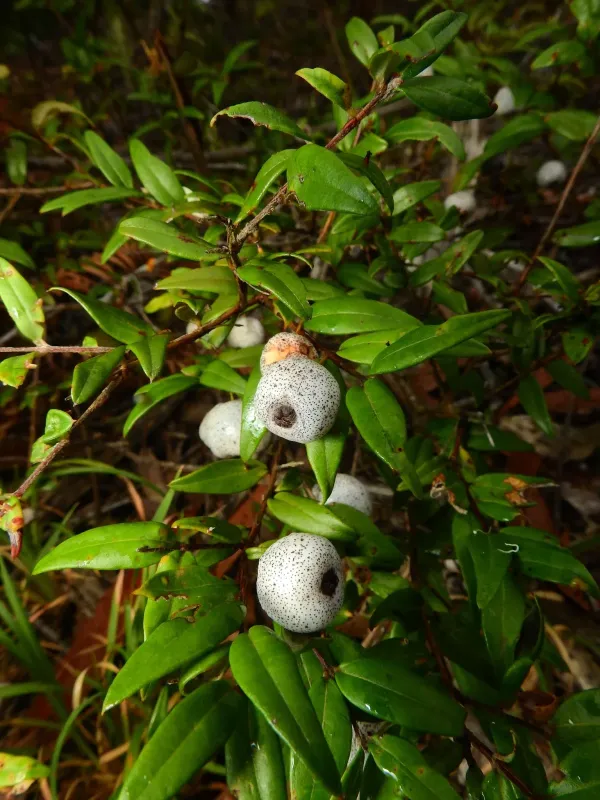
Austromyrtus dulcis is cultivated for its edible berries, which have a unique, sweet flavor reminiscent of a blend of apple and coconut. A healthy shrub can begin producing fruit within 2 to 4 years of planting.
Yield capacity is influenced by light exposure and consistent moisture. Plants grown in full sun with adequate shelter from harsh winds generally display higher fruit density and better growth habits.
The harvest duration is extended due to the staggered ripening of the berries, allowing for multiple pickings over several weeks. This provides a steady supply for fresh consumption or local markets.
The fruits have significant culinary potential, being used in jams, desserts, and as gourmet garnishes. Their high antioxidant content adds value to their market appeal as a superfood.
Optimizing plant density and pruning strategies can significantly increase the total yield per hectare, making it a viable crop for small-scale specialty farming operations.
Main diseases and pests
Common pests include aphids and scale insects, which can weaken the plant by feeding on sap. Early detection through regular visual inspections is the most effective management strategy.
Fungal diseases like powdery mildew may occur in stagnant, humid environments. Ensuring proper spacing between plants and adequate airflow in the planting area can prevent these outbreaks.
Root rot, often caused by pathogens such as Phytophthora, is a severe risk in waterlogged soil. Improving drainage and avoiding over-irrigation are critical preventative measures for successful cultivation.
Nematodes can be a problem in some field soils. Using pasteurized soil media for container-grown plants or practicing crop rotation helps mitigate this risk significantly.
Integrated pest management, including the use of beneficial insects and biological fungicides, is recommended to keep the berries safe for consumption while maintaining plant health.
Harvesting
Harvesting is performed by hand-picking only the fully ripe berries, which are identified by their deep, dark color and soft texture. Ripe fruit detaches easily from the stem with gentle pressure.
Care must be taken during the collection process, as the berries are extremely delicate. Using shallow containers is advised to prevent crushing the bottom layers of the harvested fruit.
Post-harvest handling is critical for maintaining quality. Berries should be cooled immediately after picking to slow the ripening process and extend their short shelf life.
Storage should be maintained in refrigerated units at temperatures between 2 and 4 degrees Celsius. Proper packing minimizes damage and helps retain the berries' distinct flavor profile.
For large harvests, immediate processing into preserved goods is the most efficient way to capture the economic value of the crop before the fresh fruit loses its quality.