
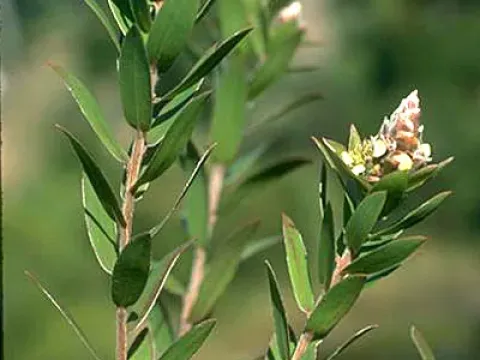
Aggreflorum
Aggreflorum
The sowing time for Aggreflorum is strictly determined by the soil temperature, which must reach at least 10-12 degrees Celsius for successful germination.
What the section contains


Aggreflorum
In most temperate regions, the optimal planting window is in early May, once the risk of late spring frost has completely passed for the season.
Seeds should be planted at a depth of 3 to 5 centimeters, depending on the soil texture and the moisture content present at the time of sowing.
Field preparation must focus on creating a fine-tilled seedbed, which ensures optimal contact between the seeds and the soil to promote rapid emergence.
Using precision planting equipment helps maintain the ideal spacing, which is crucial for maximizing individual plant development and preventing overcrowding.
Aggreflorum is a sun-loving crop, requiring open areas with high light intensity throughout the day to reach its full development potential.
The best results are achieved in fertile, well-drained loamy or sandy soils, which provide the aeration needed for healthy root system expansion.
Maintaining a neutral to slightly acidic soil pH, ideally between 6.0 and 7.0, is essential for the efficient uptake of necessary soil minerals.
While the crop is relatively hardy, it is highly sensitive to waterlogging, which necessitates effective drainage solutions on heavy or flat land.
Application of balanced NPK fertilizers at the early stages of growth significantly enhances biomass production and overall crop vitality throughout the cycle.
When managed using intensive agricultural practices, Aggreflorum can produce yields ranging from 3.5 to 5.0 tonnes per hectare depending on weather.
Optimizing the plant density is a key management practice that ensures the crop can utilize available solar energy and soil nutrients effectively.
Weed control is paramount in the first half of the season, as competition from unwanted flora can lead to significant yield losses if left unchecked.
Using growth regulators during the flowering phase can improve the uniformity of the crop, making the harvesting process much more efficient and profitable.
Regular monitoring of field conditions allows farmers to adjust irrigation and fertilization strategies in real-time, maximizing final production outcomes.
Fungal diseases, including various types of rot and leaf spots, represent the most significant biological threats during periods of high humidity.
Pests that damage leaves and root structures can substantially weaken the plants, often serving as vectors for secondary bacterial infections.
Proactive disease management should start with seed treatment and include scheduled fungicide applications during the most vulnerable vegetative stages.
Scouting programs are necessary to detect pest infestations early, allowing for targeted chemical or biological control measures to be applied quickly.
- Implementation of strict crop rotation cycles.
- Effective management of field borders to reduce pest migration.
- Use of resistant hybrid varieties adapted to local climates.
Harvesting should occur when the crop reaches full physiological maturity, indicated by the specific color change and moisture reduction of the plant parts.
Correct settings on harvesting equipment are essential to prevent grain or fiber damage, which ensures the highest possible market price for the harvest.
In regions with unpredictable autumn weather, windrowing may be used to allow for a more uniform drying process before the final collection.
Post-harvest handling, including cleaning and grading, is essential to remove foreign matter and prepare the product for safe, long-term storage.
Stored crops must be kept in cool, dry conditions with constant monitoring to prevent the build-up of moisture and potential contamination by mold.