
Amomyrtus meli
Amomyrtus meli
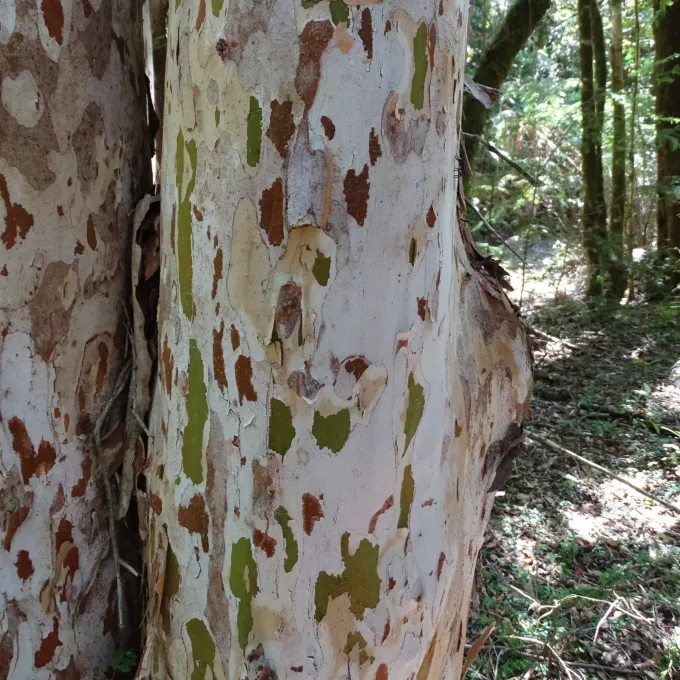
Description
Growing requirements
Amomyrtus meli is an evergreen tree belonging to the Myrtaceae family. Native to the temperate rainforests of Chile and Argentina, this species is well-known for its dense foliage and aromatic characteristics.
The plant thrives in deep, fertile soils that provide excellent drainage while maintaining adequate moisture levels. Water management is essential, as the species does not tolerate long-term drought conditions.
In terms of climate, Amomyrtus meli prefers regions with mild winters and high atmospheric humidity. It performs best when shielded from harsh winds, which can damage its leaves and inhibit initial growth.
While the tree is capable of growing in shaded areas, it responds well to dappled sunlight, which encourages denser branching and more robust overall development in mature specimens.
Agronomic maintenance includes periodic mulching to suppress weeds and maintain consistent soil temperature, along with the application of balanced organic fertilizers to support its slow-growing cycle.
Harvesting
The primary agricultural utility of Amomyrtus meli lies in its edible berries. These fruits are valued for their distinct flavor, often being processed into jams, beverages, and traditional culinary preparations.
The wood of the Meli tree is historically significant; due to its exceptional density and structural integrity, it is utilized for specialized woodworking and the crafting of durable tool handles.
Harvesting typically occurs when the fruits reach full maturity, evidenced by their deep color and softened texture. Timing is crucial to ensure the optimal balance of sugar and aromatic compounds.
Since the fruits are relatively fragile, hand-harvesting is the preferred method to prevent bruising and to maintain the quality of the harvest for commercial distribution.
Post-harvest handling is critical for preserving fruit quality. Proper cold storage or immediate processing is necessary to prevent spoilage, as the berries are highly perishable once detached from the branch.