
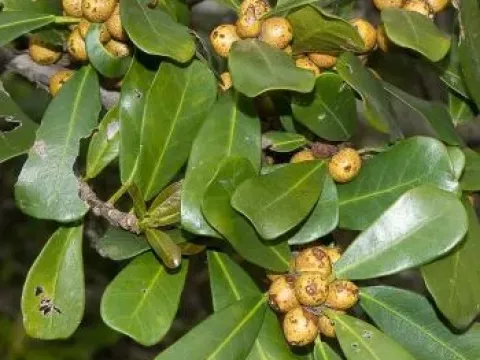
Ficus craterostoma
Ficus craterostoma
Ficus craterostoma is a distinct species of the Moraceae family, recognized for its hemi-epiphytic growth habit. Native to the diverse tropical landscapes of Africa, it thrives in warm and humid environments, often colonizing other trees.
What the section contains
Ficus craterostoma
This species requires high levels of ambient humidity to mimic its natural tropical habitat. Consistent moisture is vital, especially for younger plants that have not yet established a deep root system in a terrestrial environment.
Light intensity should be high but indirect. In agricultural settings or greenhouses, it is recommended to employ shade cloths to prevent leaf scorching, as the foliage is sensitive to direct, high-intensity midday sunlight.
The optimal temperature range for this species is between 20°C and 28°C. Being a tropical plant, Ficus craterostoma does not tolerate temperatures dropping below 15°C for extended periods, as this can halt its physiological processes.
Soil structure should prioritize drainage, as waterlogged conditions are the primary enemy of the roots. A balanced mix of peat, bark, and perlite provides the necessary aeration while retaining essential nutrients for healthy foliage growth.
Spider mites are the most persistent pest for this Ficus species, thriving in environments with low humidity. Infestations are typically identified by fine webbing on the undersides of leaves and discolored, yellowing foliage.
Scale insects pose a significant threat by attaching themselves to stems and leaf undersides. Because of their hard protective shells, they are resistant to many contact pesticides, requiring systemic treatments to ensure effective control.
Fungal leaf spot diseases may appear if there is poor air circulation and excessive moisture on the foliage. It is essential to ensure that water does not sit on the leaves for prolonged periods after irrigation.
Root rot is often a result of over-irrigation or improperly formulated soil that lacks sufficient drainage capacity. Once established, this condition is difficult to reverse, often requiring drastic pruning of roots and complete substrate replacement.
A proactive management program, including periodic inspection, balanced irrigation, and the use of targeted acaricides or fungicides, is necessary to keep the crop in optimal health throughout the growing season.