
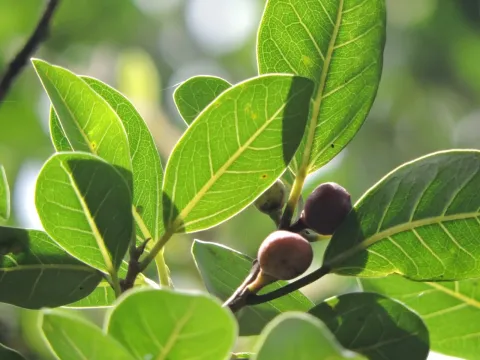
Ficus cestrifolia
Ficus cestrifolia
Ficus cestrifolia is a prominent species within the Moraceae family. Known for its specific botanical structure, it is often utilized in horticultural settings that mimic its native South American tropical environment, focusing on its rapid biomass accumulation and leaf development.
What the section contains
Ficus cestrifolia
The geographic origin of this plant dictates its strict climate requirements. It thrives in high-temperature zones with minimal seasonal fluctuations. As an agricultural crop in protected environments, maintaining a consistent tropical climate is essential for preventing physiological stress.
Regarding soil conditions, this Ficus prefers well-aerated, loamy substrates that possess excellent drainage capabilities. Excessive soil moisture retention is detrimental to root health, often leading to necrosis and stunted growth if not managed by appropriate drainage systems.
Agrotechnical management involves a balanced fertilization schedule, particularly during the primary growth cycles. Incorporating organic matter into the growing medium helps maintain the soil structure and provides a steady supply of nutrients necessary for full canopy development.
Light management is crucial, as Ficus cestrifolia requires bright but filtered exposure. Excessive direct solar radiation in arid environments can cause leaf chlorosis and surface damage, necessitating the use of specialized shading materials in large-scale cultivation facilities.
Major pests affecting this crop include spider mites, mealybugs, and scale insects. These pests often proliferate under low-humidity conditions, emphasizing the importance of maintaining an optimal microclimate to prevent infestations and systemic damage to the plant tissue.
Fungal pathogens such as root rot (Phytophthora spp.) are the most significant threats to plant viability. Preventive measures include strictly controlled irrigation cycles, the use of sterilized growing media, and regular inspection of the lower canopy for early signs of infection.