
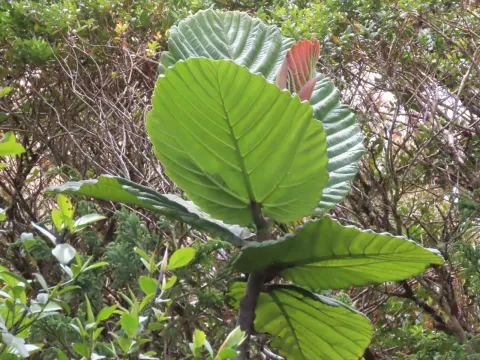
Ficus dammaropsis
Ficus dammaropsis
Ficus dammaropsis is a distinguished member of the Moraceae family, known colloquially for its impressive, large, and corrugated foliage. This evergreen tree displays a structural complexity that makes it a highly sought-after specimen in tropical landscape design.
What the section contains
Ficus dammaropsis
Originating from the rain forests of New Guinea, the species is well-adapted to high-altitude tropical environments. Its natural habitat dictates a preference for consistent temperatures and high humidity, which are essential factors to consider in an agricultural or ornamental setting.
The plant thrives in deep, well-drained soils rich in organic matter. A slightly acidic to neutral pH level is ideal for maintaining optimal nutrient uptake and long-term health of the root system during the development phase.
Requirements for light include filtered or dappled sunlight. While the plant appreciates warmth, prolonged exposure to intense direct sunlight can lead to scorched leaves and dehydration, particularly in younger, less established trees.
In terms of хозяйственное usage, besides its ornamental value, certain parts of the plant are traditionally utilized in indigenous communities for their nutritional properties, showcasing the plant's diverse role within the local ecosystem and agricultural history.
Common horticultural threats include spider mites and scale insects, which frequently infest the dense canopy and undersides of leaves, particularly in indoor environments with restricted airflow.
Root rot is a major physiological threat caused by over-irrigation or heavy, compacted soil types that prevent proper oxygenation, eventually leading to rapid decline of the specimen.
Fungal leaf spot diseases may arise if the foliage remains wet for extended periods or if the plant is grown in areas with insufficient ventilation, necessitating the use of targeted fungicides.
Mealybugs can be particularly stubborn, often congregating in leaf axils, where they feed on sap and can cause significant foliage distortion and overall plant stress over time.
Integrated pest management, including regular inspection and the maintenance of a stable microclimate, is crucial for preserving the health and aesthetic integrity of Ficus dammaropsis crops.