
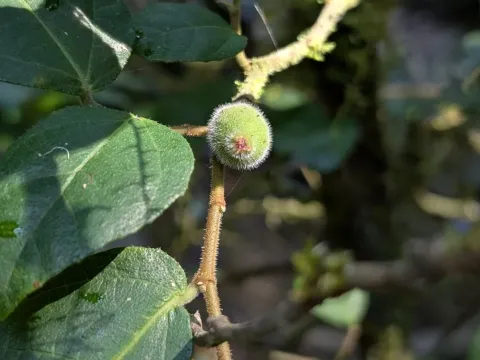
Ficus coronata
Ficus coronata
Ficus coronata, commonly known as the crown fig, is a member of the Moraceae family. It is native to the eastern coastal regions of Australia, where it thrives in diverse habitats ranging from rainforests to creek banks.
What the section contains
Ficus coronata
This species is well-recognized for its stiff, scabrid foliage covered in fine hairs. These unique textures make it a distinct specimen for collectors who appreciate plants with tactile foliage characteristics.
Cultivation requires a well-draining, nutrient-rich soil substrate. Maintaining a slightly acidic to neutral soil pH is crucial for the optimal absorption of micronutrients required for leaf health.
In terms of light, the plant prefers bright, indirect sunlight. Direct exposure to harsh midday sun can lead to leaf scorch, while insufficient light often results in elongated, weak stems and sparse growth.
Watering frequency should be adjusted according to the growing season. During the active growth phase, keep the soil consistently moist but never waterlogged to protect the root system from fungal infections.
Spider mites are the most common pests found on Ficus coronata, particularly in environments with low humidity. They weaken the plant by feeding on cell sap, often causing stippling on the leaves.
Mealybugs are another potential threat, which often cluster in the leaf axils and along the stems. Careful inspection and manual removal, followed by soap-based treatments, are usually effective control measures.
Root rot represents the primary disease risk, usually stemming from overwatering or inadequate pot drainage. Once established, it can rapidly lead to wilting and the total loss of the specimen.
Leaf spot diseases may occur if the foliage remains wet for extended periods in low-light, poor-ventilation conditions. Improving airflow around the plant is essential to prevent these infections.
Biological controls or horticultural oils are recommended for managing larger infestations, ensuring that the plant's sensitive foliage is not damaged during the application process.