
Trichilia dregeana
Trichilia dregeana E. Mey. ex Harv. & Sond.
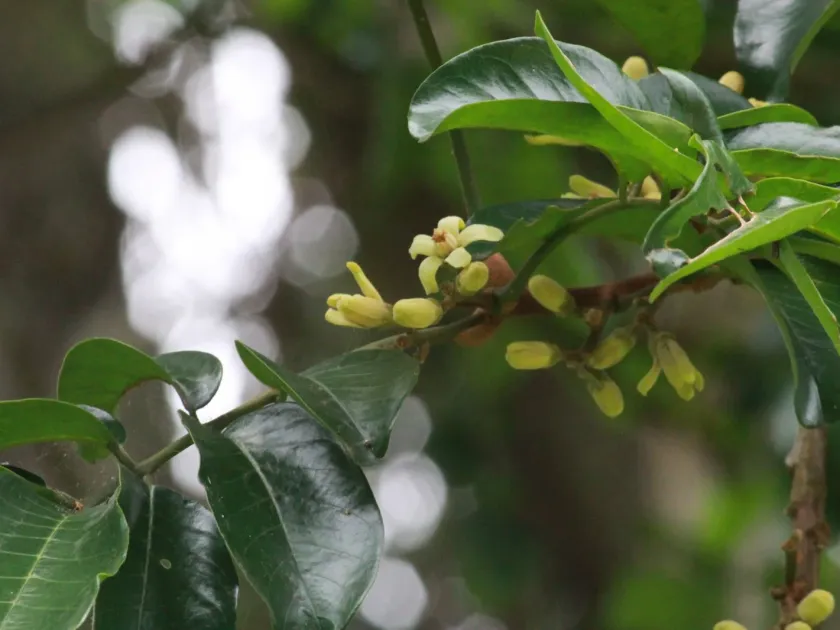
Description
Growing requirements
Trichilia dregeana, commonly known as the forest mahogany or forest natal mahogany, is a large evergreen tree belonging to the Meliaceae family. It is native to the tropical and subtropical forests of Southern and Eastern Africa.
The tree thrives in environments with high humidity and consistent rainfall. It prefers deep, nutrient-rich soils with good drainage, typical of forest landscapes where organic matter accumulates on the forest floor.
In terms of light exposure, this species exhibits shade tolerance during its juvenile stage, allowing it to regenerate successfully under a forest canopy. As it matures, it requires more light to maximize its growth potential.
Climatic requirements focus on warmth and protection from severe frosts, which can cause significant damage to young shoots and leaves. In its natural range, it is often found in riverine forests and sheltered kloofs.
Cultivation practices involve site selection that mimics its native habitat, ensuring protection from desiccating winds and maintaining soil moisture levels through appropriate mulching and spacing.
Yield
The primary economic output of Trichilia dregeana is the seed, which is rich in a specific fat known as mafura butter or mafura oil. This substance is highly valued in the cosmetic and skincare industries.
The fruit of the tree is a dark green capsule that splits open upon ripening to reveal seeds covered in a bright red aril, which indicates the maturity stage for harvesting.
Beyond oil production, the timber is utilized for carpentry and furniture making due to its workable properties. The wood is durable and aesthetically pleasing, often used by local artisans.
Yield consistency depends on favorable flowering conditions. Pollination is essential for fruit set, and the tree relies on diverse insect populations to ensure a high-quality seed harvest.
Harvesting is typically done manually by collecting ripened capsules from the ground or by careful plucking from lower branches, followed by immediate processing to extract high-quality oil.
Main diseases and pests
A major threat to Trichilia dregeana includes various seed-boring insects that target the capsules, potentially reducing seed viability and total oil yield before harvesting.
Fungal pathogens may affect the foliage, especially in nurseries or plantations where airflow is restricted, leading to leaf spots or premature senescence in humid conditions.
Stem borers can cause physical degradation of the wood, creating entry points for opportunistic bacterial infections that may compromise the structural integrity of mature trees.
Competition from invasive plant species during the seedling establishment phase can severely restrict growth. Regular weeding and site clearing are necessary to reduce pressure on young trees.
Management strategies involve rigorous field monitoring and the maintenance of biodiversity within the orchard to support natural predators of the common insect pests affecting this species.