
Soymida febrifuga
Soymida febrifuga
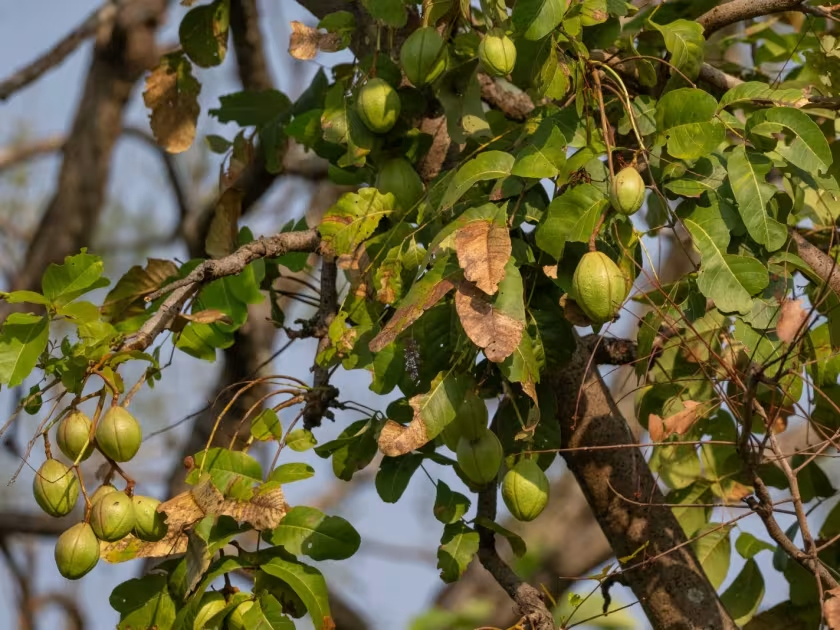
Description
Sowing dates
Propagation of Soymida febrifuga primarily occurs through seeds, which are housed within woody capsules that split open once the fruit matures completely.
For successful cultivation, seeds should be collected as soon as they reach maturity, as their viability decreases rapidly if stored for long periods in improper conditions.
The seeds are sown in nursery beds or containers using a well-draining potting medium, ensuring that they are kept moist but not waterlogged during the germination phase.
Seedlings typically require shade during the earliest stages of growth to prevent scorching, but they should be gradually acclimated to full sunlight as they mature.
Transplanting into the field is ideally performed at the onset of the monsoon season, providing the young trees with sufficient moisture to establish their root systems before the next dry season.
Growing requirements
Soymida febrifuga, belonging to the Meliaceae family, is a deciduous tree naturally adapted to dry tropical and subtropical forest regions.
The species is known for its remarkable drought tolerance, thriving in areas with distinct wet and dry cycles and performing well even in poor, rocky, or sandy soil types.
As a sun-loving plant, it requires open areas with abundant direct sunlight to develop a healthy canopy and sustain its annual growth rates.
The tree thrives in temperatures ranging from tropical highs to moderate seasonal variations, provided that the location is free from extreme or prolonged freezing events.
Excellent soil drainage is essential for the health of the species; water stagnation often leads to root rot and other physiological stressors that inhibit growth.
Yield
The most prominent economic use of the tree is the medicinal value of its bark, which is widely recognized for its potent antipyretic properties, historically used to treat malaria and various fevers.
The wood of Soymida febrifuga is highly prized for its durability, hardness, and appealing reddish color, making it an excellent material for high-quality furniture and construction.
Sustainable harvesting of the bark is crucial, involving precise techniques to ensure that the tree can regenerate its outer layers without being compromised by fungal decay.
In addition to its medicinal and timber value, the tree acts as an effective species for reforestation in arid landscapes, contributing to soil stabilization and biodiversity.
Oil extracted from the seeds and fruit also holds potential for niche industrial applications due to its phytochemical profile and preservative characteristics.
Main diseases and pests
Young plants and nursery stock are susceptible to various foliage-feeding insects that can significantly defoliate the tree and slow down its developmental pace.
Fungal infections, particularly those affecting the bark and stems, can occur in poorly managed or excessively humid environments, damaging the quality of the harvested medicinal raw materials.
Boring insects represent a specific threat to the trunk and branches, often attacking trees that are already weakened by environmental stress or improper pruning wounds.
Effective pest management involves regular monitoring and the use of integrated control methods, such as selective thinning and maintaining proper spacing between trees.
Weed control is vital during the initial years of plantation, as competing vegetation can easily outcompete the young seedlings for essential nutrients and limited soil moisture.