
Santol
Sandoricum koetjape (Burm. f.) Merr.
Description
Sowing dates
Propagation of santol (Sandoricum koetjape) is most commonly achieved through seeds, as they possess high viability when sown fresh. The optimal planting time is at the beginning of the rainy season, which provides the young seedlings with natural moisture and favorable temperature conditions for active growth.
Seeds are planted in well-drained soil rich in organic matter at a depth of about 2–3 centimeters. It is essential to maintain consistent soil moisture while avoiding waterlogging, which can lead to root rot during the early stages of plant development.
In commercial and amateur orchards, vegetative propagation methods such as grafting and air layering are employed to preserve the desired varietal characteristics of the mother tree. These techniques significantly shorten the time to maturity compared to trees grown from seeds.
Santol trees are fast-growing and can reach substantial sizes, so it is necessary to maintain a spacing of at least 8–10 meters between plants during installation. This spacing prevents canopy shading and ensures adequate air circulation, which is vital for the development of a healthy harvest.
The culture belongs to the Meliaceae family and is an evergreen or semi-deciduous tree with a wide, spreading crown. In its natural habitat, it often becomes a dominant species in the humid tropical forests of Southeast Asia.
Growing requirements
Santol is a classic tropical crop that imposes strict requirements on thermal regimes. It poorly tolerates temperatures dropping below 15°C and cannot withstand frost, which can be critical even for mature trees.
For optimal development, the plant requires a stable climate with high humidity and abundant rainfall. It thrives best at elevations up to 1000 meters above sea level in regions with a distinct wet season.
Soil preferences include deep, well-aerated loams or alluvial soils with a neutral to slightly acidic pH. Good drainage is a crucial factor, as the root system is sensitive to prolonged waterlogging and stagnant groundwater.
During periods of prolonged drought, young trees require regular supplemental irrigation to maintain leaf turgor and normal metabolism. Mature specimens are more resilient but may shed foliage and exhibit reduced flowering intensity if moisture is scarce.
The plant responds well to the application of complex mineral fertilizers and organic matter in the root zone. Regular nitrogen application at the beginning of the growing season promotes the development of a lush canopy, while phosphorus and potassium additives stimulate abundant fruit set.
Yield
Fruiting of santol usually begins 5–7 years after planting seedlings, whereas grafted trees can produce their first harvest as early as 3–4 years. The intensity of yield is directly dependent on the quality of care and the climatic conditions of the cultivation region.
The yield of a single mature tree can reach up to 150–200 kilograms of fruit per season. Fruits ripen in clusters, which often necessitates multiple harvests as they reach technical maturity and their characteristic golden-yellow color.
Proper pruning, aimed at thinning the crown, plays a significant role in achieving a high yield. Removing dead, diseased, or crossing branches ensures sunlight reaches the inner parts of the crown, which is critical for the maturation of high-quality fruit.
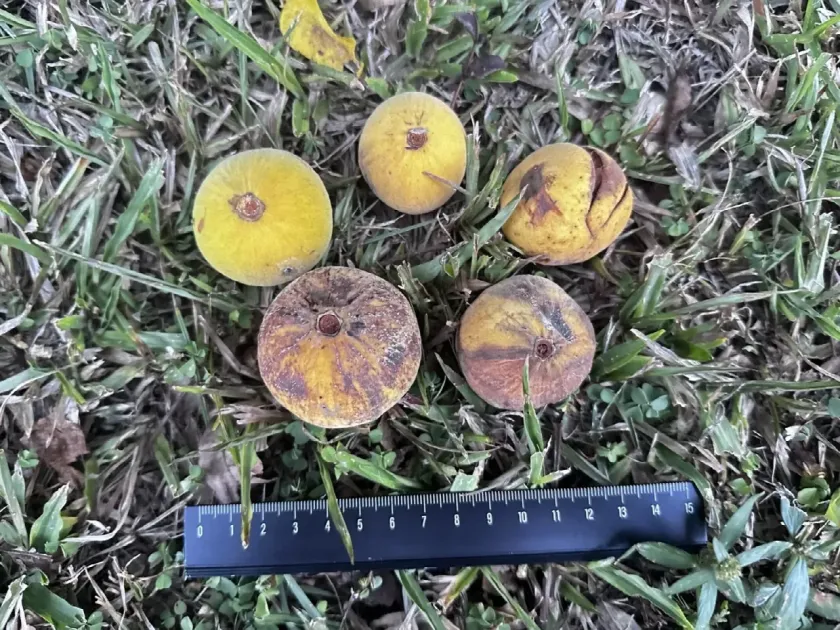
Santol fruits, also known as the cotton fruit or sentul, are spherical drupes with thick, fleshy skin. Inside, they contain a sweet-and-sour juicy pulp surrounding large seeds, which are also consumed in some culinary traditions.
The economic use of the crop is highly diverse: fruits are consumed fresh or used to produce jams, preserves, pickles, and beverages. The bark of the tree is sometimes used in traditional medicine and the tanning industry due to its high tannin content.
Main diseases and pests
Despite its high adaptability, santol can be affected by a range of pests typical of tropical fruit crops. The most dangerous insects include scale insects and mealybugs, which sap the vitality from young shoots and leaves, weakening the tree.
Fungal diseases, such as anthracnose, may occur during periods of high humidity, causing spots on leaves and damaging fruit. Prevention involves following a planting scheme that ensures proper crown ventilation.
Fruit flies can cause significant economic losses by laying eggs in developing ovaries. The use of pheromone traps and timely sanitary cleaning of the orchard to remove fallen fruit help reduce the population of this dangerous pest.
Root rots are a consequence of poor agronomic practices, particularly soil waterlogging. If wilting symptoms occur, it is necessary to immediately improve drainage and limit irrigation to prevent the further spread of pathogens.
In cases of heavy pest infestation, the application of systemic insecticides in strict compliance with regulations is recommended. To maintain general tree immunity, following an organic fertilizer schedule and maintaining high levels of orchard biodiversity is advised.
Harvesting
Harvesting santol requires special care because the fruit skin is easily damaged by mechanical impact. Ripe fruits should be carefully cut with shears, avoiding drops to the ground, which can lead to rapid decay.
Determining the harvest time is based on the skin color change from green to yellow-brown and the emergence of a characteristic aroma. If the fruits are intended for transport, they are harvested at the onset of color change, which prolongs their shelf life.
After harvesting, fruits should be stored in a cool, well-ventilated area protected from direct sunlight. In tropical climates, freshly harvested produce maintains its quality for 5–7 days.
The seeds inside the fruit also hold economic value and can be used for subsequent propagation. They should be thoroughly cleaned of pulp, washed, and dried before being stored in a cool, dry place if planting is not planned immediately.
Traditional fruit sorting allows for the separation of produce for the fresh market from that intended for processing (such as making candied fruit or juices). Proper organization of the harvest and post-harvest handling ensures the minimization of crop losses.