
Nectandra lanceolata
Nectandra lanceolata
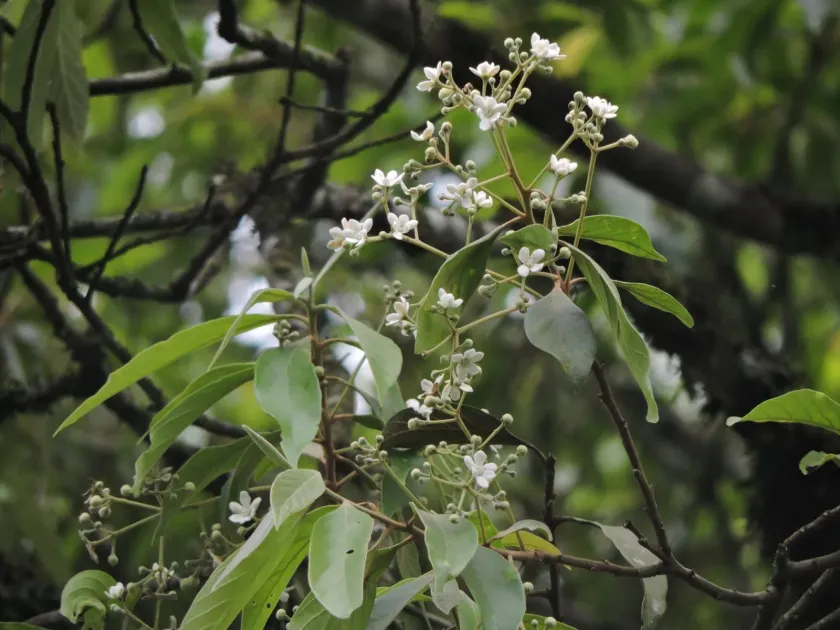
Description
Growing requirements
Nectandra lanceolata is a prominent species within the Lauraceae family, native to the tropical and subtropical regions of South America. It is characterized by its evergreen foliage and significant role in the biodiversity of native forests.
The tree thrives in regions with consistent rainfall and high humidity levels, making it well-suited to the climatic conditions of Brazil, Paraguay, and Argentina. It requires stable temperatures throughout the year to maintain its growth cycles.
Successful cultivation of this species depends on selecting fertile, well-draining soil sites. The plant prefers deep, loamy soils that provide sufficient nutrient availability and moisture retention without the risk of waterlogging.
Regarding light requirements, while Nectandra lanceolata can tolerate moderate shade, it exhibits the most vigorous growth and development when provided with ample sunlight during its formative years.
Its economic importance is primarily linked to its high-quality, durable wood, which is utilized in specialized construction and furniture production. Additionally, it is increasingly considered for reforestation projects in tropical areas.
Main diseases and pests
Like many species in the laurel family, this tree is susceptible to root rot caused by various soil-borne pathogens, particularly when growing conditions involve poor drainage or soil compaction.
Insect pests such as wood-boring beetles and leaf-chewing insects can cause significant damage to the plant's structural integrity, especially in plantations where monoculture increases pest pressure.
Environmental stress, driven by unpredictable precipitation patterns, increases the tree's vulnerability to secondary infections by bacteria and fungi that typically enter through damaged bark.
Effective management strategies involve periodic site inspections to detect early signs of infestation and ensuring optimal tree density to promote air circulation and reduce micro-climatic humidity.
The use of sustainable forest management practices is crucial to mitigate these threats and ensure the long-term viability of Nectandra lanceolata populations in their natural and cultivated environments.