
Nectandra angustifolia
Nectandra angustifolia
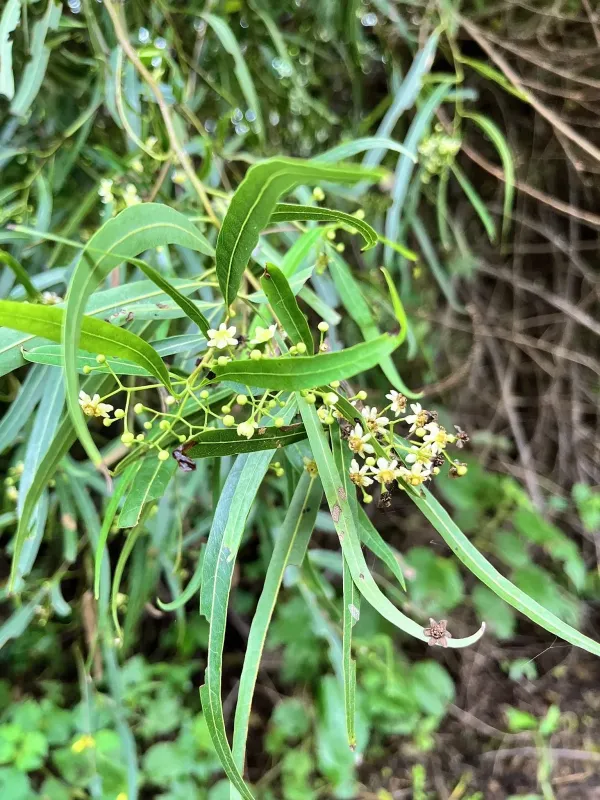
Description
Growing requirements
Nectandra angustifolia is an evergreen tree species belonging to the Lauraceae family. Native to South America, particularly regions of Argentina, Brazil, and Paraguay, it is typically found in riparian forests and alluvial plains.
Botanically, the tree is characterized by its narrow, lanceolate, and leathery leaves. It has evolved to thrive in humid environments and can tolerate periodic flooding, which makes it a valuable species for ecological restoration in riverside areas.
Successful cultivation requires fertile, well-drained, and moisture-retentive soils. The species prefers neutral to slightly acidic soil conditions to ensure optimal nutrient uptake and root development during the growth cycle.
Regarding climate, Nectandra angustifolia demands stable, subtropical temperatures. It is highly sensitive to frost and extreme cold, requiring a growing environment that remains consistent throughout the year to prevent physiological stress.
The economic value of this tree lies in its timber, which is known for its durability and resistance to decay. Additionally, the plant has potential applications in the pharmaceutical and fragrance industries due to the aromatic compounds found in its leaves and bark.
Main diseases and pests
The most significant threats to Nectandra angustifolia plantations are root-borne fungal diseases, often triggered by waterlogged soil and poor aeration. These pathogens can cause decay in the vascular system, significantly stunting the tree's development.
Pests such as leaf-eating caterpillars and certain boring beetles present ongoing challenges. These insects can cause extensive damage to foliage and young shoots, especially in dense, monoculture-based plantation settings.
Effective management includes regular monitoring and the implementation of cultural practices that enhance soil health. Ensuring proper spacing between trees helps improve airflow and reduces the microclimatic conditions favored by fungal spores.
When chemical control is necessary, it must be performed with caution to protect local biodiversity. Integrating biological control agents, such as beneficial insects or microbial inoculants, is increasingly recommended in modern agroforestry.
Maintaining the overall vigor of the trees through balanced fertilization and proper moisture management is the best defense against both primary and secondary pest outbreaks in the plantation.