
Nectandra reticulata
Nectandra reticulata
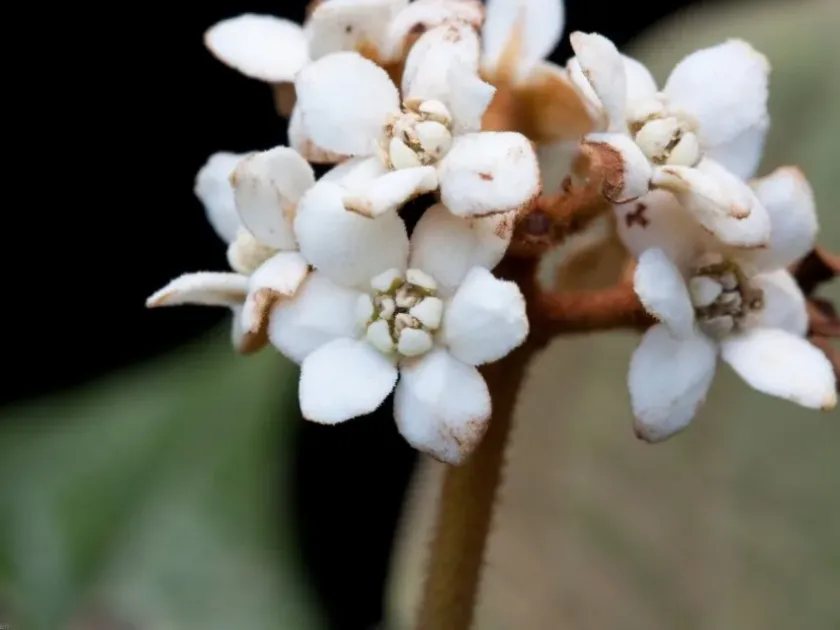
Description
Growing requirements
Nectandra reticulata is a prominent tree species belonging to the Lauraceae family. Native to the Neotropical regions, this species thrives in wet tropical environments and is highly valued for its wood properties.
The tree is characterized by its distinctively reticulated leaf veins. It typically reaches significant heights in mature forests, contributing to the structural complexity of the tropical ecosystem.
Optimal growth requires warm, humid climatic conditions. It is strictly a tropical species, and any exposure to freezing temperatures will cause irreversible physiological damage to the plant tissue.
The ideal soil for this cultivation is well-drained and nutrient-rich, with sufficient organic matter. Maintaining soil aeration is crucial for the development of a healthy root system in younger trees.
Industrially, the wood is utilized for furniture manufacturing, high-quality joinery, and internal building components due to its attractive texture and durability.
Main diseases and pests
Like many species in the laurel family, Nectandra reticulata is susceptible to fungal pathogens, particularly root rot, when drainage is insufficient or atmospheric humidity remains stagnant.
Boring insects represent the most significant pest pressure. These organisms can penetrate the bark and inner wood, causing structural weakness and inviting secondary infections.
Effective management requires regular monitoring of the plantations, specifically looking for signs of wood discoloration or sap leakage, which indicate internal damage by pests.
Sanitation practices, including the removal of dead or dying trees from the plot, are essential to prevent the spread of pests and disease-causing fungi across the managed area.
Maintaining biological diversity around the plantation site can help manage pest populations naturally, reducing the need for aggressive chemical interventions in forestry practice.