
Cinnamomum iners
Cinnamomum iners
Description
Growing requirements
Cinnamomum iners is a member of the Lauraceae family, widely distributed in the tropical regions of Southeast Asia. It is a perennial evergreen tree known for its aromatic properties.
The plant thrives in humid tropical conditions. It requires consistent high temperatures and prefers well-drained, fertile soil to ensure optimal root development and growth.
Soil quality is essential for Cinnamomum iners. It performs best in deep, loamy soils, and the presence of proper drainage is critical to prevent root rot in rainy seasons.
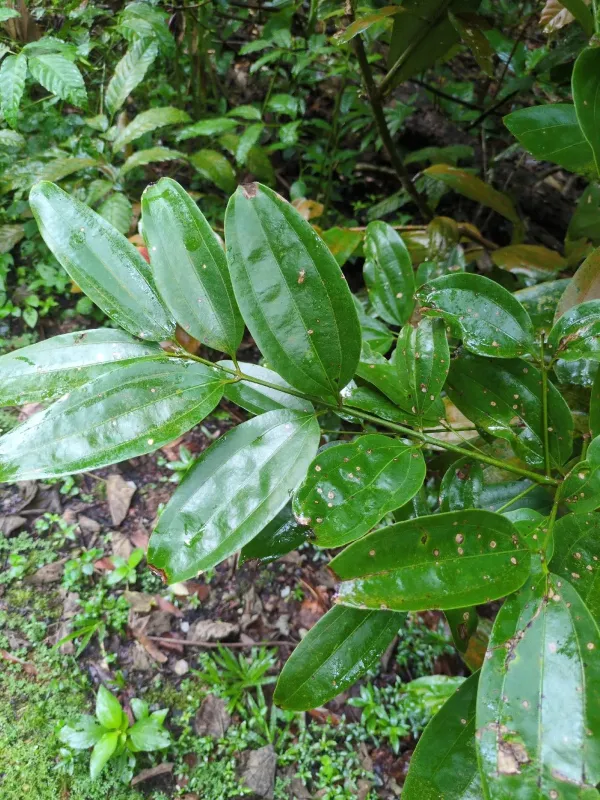
Botanically, it is recognized by its leathery, dark green leaves that emit a distinct spicy scent. The species demonstrates excellent vigor and can recover well after pruning.
Agricultural management includes site selection with adequate sunlight and protection from severe wind. Consistent soil moisture management is necessary for young tree development.
Yield
The main commercial value of Cinnamomum iners lies in its leaves and bark. These materials are processed to extract essential oils and used as flavoring agents.
Yields are maximized through structural pruning, which promotes the growth of new, aroma-rich shoots. Harvesting can be conducted several times a year once the tree is mature.
Dried leaves are commonly utilized in culinary applications across Asian markets. The quality of the harvest depends heavily on the drying process, which must be carefully monitored.
Commercial plantations focus on sustainable leaf harvesting to maintain plant health. High-quality production can provide significant economic returns for local farmers.
Future potential includes the development of refined spice blends and pharmaceutical extracts derived from the plant's essential components.
Main diseases and pests
Fungal diseases are the primary threat, especially in areas with poor drainage or excessive humidity. Root rot can severely impact the productivity of an entire orchard.
Pests such as scale insects and aphids are common challenges. Regular field scouting is necessary to identify infestations early and apply corrective measures.
Leaf-eating insects can cause significant cosmetic and structural damage, lowering the market value of the harvest. Integrated pest management strategies are highly encouraged.
Weed competition in the early stages of establishment can hinder growth. Utilizing mulch is an effective method to manage weeds and conserve soil moisture.
Proactive sanitary measures, such as removing infected branches, help prevent the spread of diseases. Maintaining diverse plant health ensures long-term plantation success.