
Cinnamomum osmophloeum
Cinnamomum osmophloeum
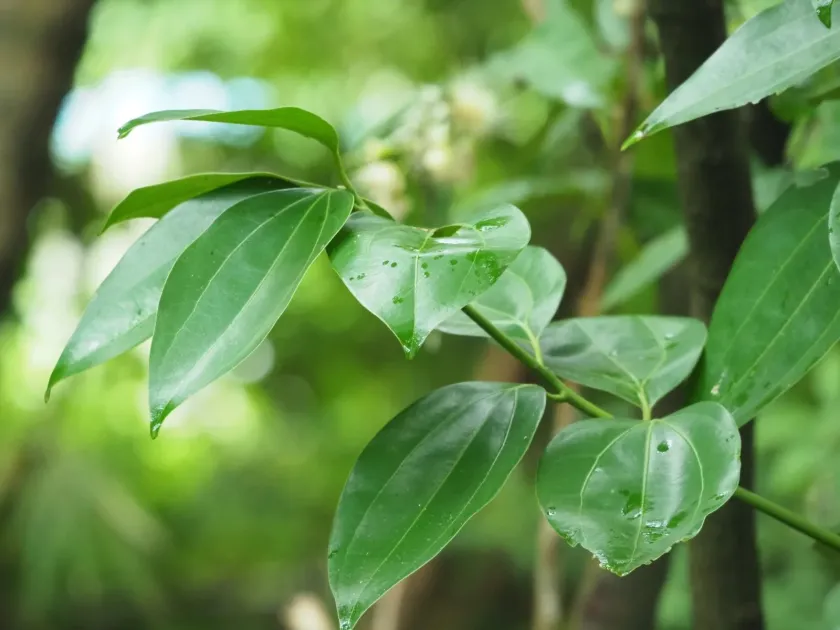
Description
Growing requirements
Cinnamomum osmophloeum, belonging to the Lauraceae family, is an evergreen tree native to the mountainous regions of Taiwan. It is highly valued for its aromatic bark and leaves, which contain significant amounts of cinnamaldehyde.
The plant thrives in subtropical climates with high humidity. It requires consistent rainfall and protection from strong, cold winds to prevent damage to its foliage and young stems.
Cultivation success depends on well-drained, nutrient-rich soils with a slightly acidic pH. The crop is sensitive to waterlogging, making proper site selection and soil preparation essential for healthy root development.
While young seedlings benefit from partial shade, mature trees prefer full sunlight to maximize the synthesis of essential oils in their biomass. Proper spacing is necessary to allow for optimal canopy growth.
Standard agrotechnical practices include mulching to retain soil moisture and regular organic fertilization to support vigorous growth. Pruning is essential for both shaping the tree and stimulating new lateral shoot production.
Yield
The economic value of Cinnamomum osmophloeum lies in the extraction of essential oils from its bark and leaves. This oil serves as a natural flavoring, fragrance, and functional food ingredient.
Harvesting strategies typically involve controlled pruning of branches. This method allows for a sustainable yield, as the plant can regenerate efficiently from the remaining branches after the harvest.
Research indicates that the leaves, which are often considered a byproduct, contain high levels of active compounds, providing an additional source of income for producers utilizing the entire plant.
The quality of the final product is determined by the processing speed after harvesting. Immediate steam distillation of the collected biomass is required to capture the highest concentration of volatile compounds.
Market demand is driven by the low coumarin content in this species, making it a safer and preferred alternative to other types of cinnamon for dietary applications.
Main diseases and pests
Root rot is the most significant threat to Cinnamomum osmophloeum, especially in regions with poorly drained soil. Maintaining soil aeration is crucial to prevent fungal infections.
Pests such as mites and various scale insects may attack the foliage, necessitating vigilant monitoring to maintain the health and vigor of the plantation throughout the growing season.
Fungal leaf spot diseases can occur during prolonged periods of high humidity. Ensuring adequate airflow between trees is a primary preventive measure to manage these conditions effectively.
Integrated Pest Management (IPM) is highly recommended to protect the crop while minimizing the use of synthetic pesticides, which could compromise the quality and safety of the essential oils.
Early identification of pest outbreaks through regular scouting allows for targeted interventions, reducing the need for widespread application of chemical agents and protecting beneficial insects.