
Chinese fringe flower
Loropetalum chinense (R. Br.) Oliv.
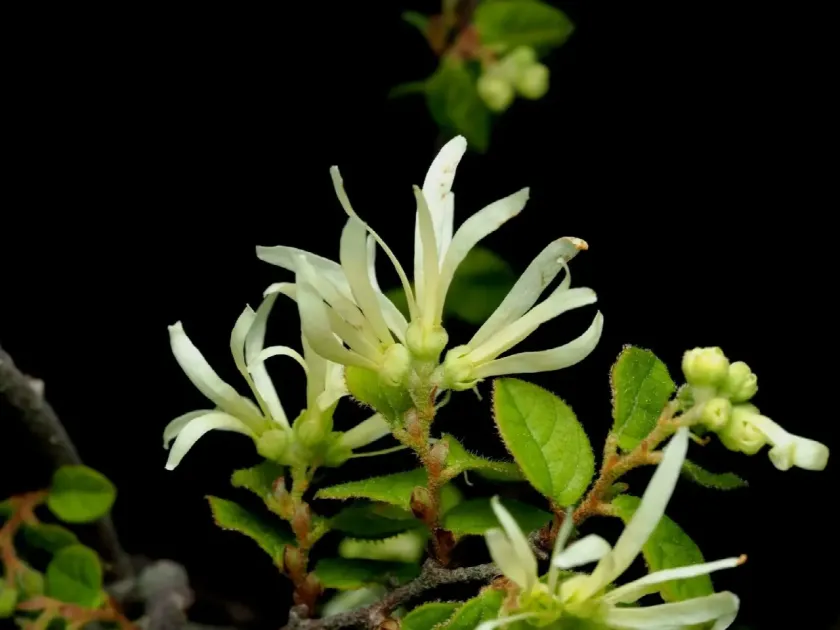
Description
Growing requirements
Loropetalum chinense, commonly known as Chinese fringe flower, is a beautiful evergreen shrub belonging to the Hamamelidaceae family. It is native to the woodlands of China, Japan, and Southeast Asia.
This shrub thrives in well-drained, acidic to neutral soil that is rich in organic matter. Proper drainage is essential, as the plant is susceptible to root rot if water sits around the roots for extended periods.
The plant performs best in a location with full sun to partial shade. Varieties with dark purple foliage often retain their color better when provided with consistent sunlight, though afternoon shade is beneficial in hotter climates.
Regarding climate, the plant is relatively heat-tolerant but needs protection from harsh winter frosts. In colder regions, it is frequently grown in containers and moved indoors or sheltered during freezing weather.
Maintenance includes light pruning after the flowering period to maintain a tidy shape. A layer of organic mulch helps retain soil moisture and maintains the acidity required for healthy growth.
Main diseases and pests
While generally hardy, Chinese fringe flower is susceptible to root rot if the soil remains waterlogged. Proper site selection and soil amendment are the primary defenses against this issue.
Spider mites are common pests, particularly when the plant is stressed by heat or lack of humidity. Their presence can lead to stippling on the leaves and eventually leaf drop.
Scale insects can also infest the stems and leaves, extracting plant sap and weakening the overall vigor of the shrub. Early detection is key to successful management.
Powdery mildew may occur if the plant is crowded or lacks adequate airflow, appearing as a white dusting on the foliage. Pruning branches to thin the center of the plant helps improve air circulation.
Regular monitoring of the foliage and implementing good cultural practices, such as proper spacing and balanced irrigation, significantly reduce the incidence of both pests and fungal diseases.