
Disanthus cercidifolius
Disanthus cercidifolius Maxim.
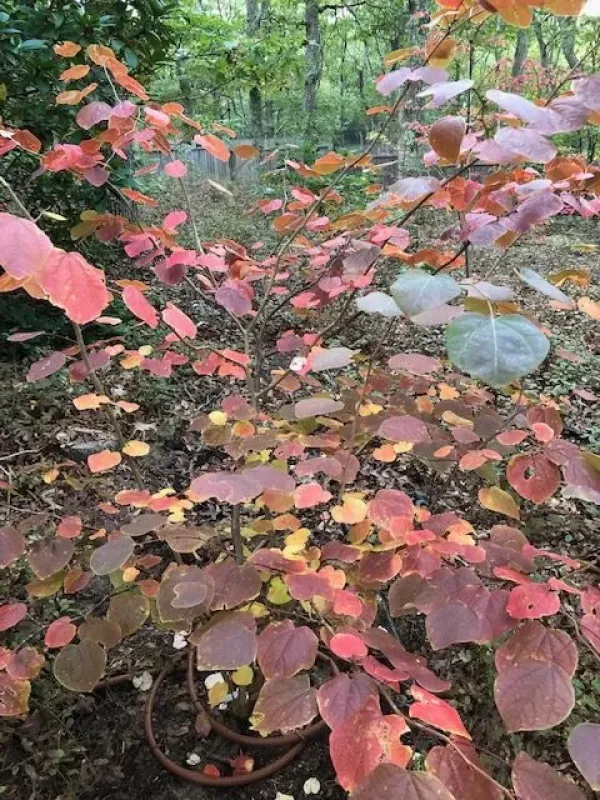
Description
Sowing dates
The propagation of Disanthus cercidifolius is typically managed through seed sowing or softwood cuttings within controlled nursery environments.
Seeds require a mandatory stratification period of at least three months under cold and moist conditions to break dormancy and ensure successful germination.
Softwood cuttings are taken during the active growth phase in early summer and are placed in a peat-based medium to encourage rapid root development.
Field planting should be executed during the spring thaw, ensuring that the soil is sufficiently warmed and well-prepared with organic matter.
It is essential to provide adequate spacing to allow for the natural sprawling architecture of the shrub, which can reach significant dimensions over time.
Growing requirements
Disanthus cercidifolius is a member of the Hamamelidaceae family, highly valued for its striking autumnal foliage color transitions and unique leaf shape.
The species thrives in acidic, well-draining soils rich in organic humus, strictly avoiding calcareous substrates that induce chlorosis and nutrient deficiency.
Optimal growth conditions involve semi-shaded exposures where the plant is protected from intense direct sunlight, especially during the hottest hours of the day.
Consistent moisture levels are vital; therefore, irrigation management should focus on keeping the root ball cool and uniformly damp throughout the growing season.
Winter protection is recommended for younger specimens in temperate climates, as the plant can be susceptible to frost damage before it becomes fully established.
Main diseases and pests
This shrub demonstrates a robust resistance to most common landscape pests, provided that its environmental requirements are consistently met by the grower.
Root system health is the primary concern, as poorly aerated or waterlogged soils inevitably lead to the development of opportunistic fungal decay.
Foliar diseases, such as leaf spot, may occur in high-humidity climates with poor air circulation, necessitating strategic pruning to improve canopy ventilation.
While insect infestations are relatively rare, monitoring for common sap-suckers like aphids or mites is advisable during periods of significant environmental stress.
Effective horticultural management focuses on maintaining a balanced soil pH and preventing moisture fluctuations to avoid physiological stress in the plant tissues.