
Widdringtonia cedarbergensis
Widdringtonia cedarbergensis
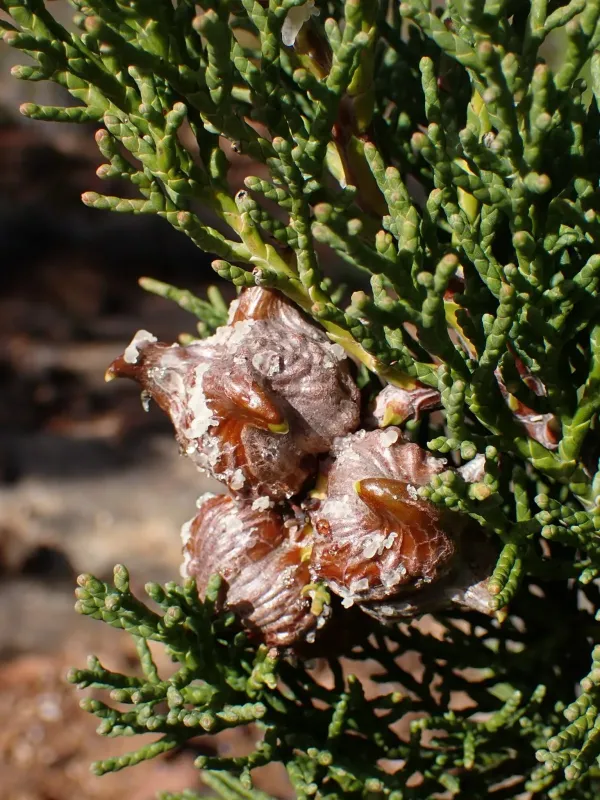
Description
Growing requirements
Widdringtonia cedarbergensis, commonly known as the Clanwilliam cedar, is a species of conifer in the family Cupressaceae. It is native to the Cederberg mountain range in the Western Cape province of South Africa.
This species is characterized by its slow growth rate and unique adaptation to the harsh, nutrient-poor mountain slopes. It typically develops into a hardy, evergreen tree with scale-like needles designed to minimize water loss.
The culture requires specific conditions to thrive, including excellent drainage and a high amount of solar radiation. It is highly sensitive to soil compaction and waterlogging, which can easily lead to root rot in poorly managed sites.
Cultivation practices are focused primarily on conservation rather than commercial production. Propagation is generally carried out in specialized nursery settings where environmental conditions can be precisely controlled for the young seedlings.
Historically, the wood was highly valued for its resistance to decay and insects, leading to widespread over-harvesting. Today, the focus is entirely on reforestation efforts and protecting remaining wild populations from environmental degradation.
Main diseases and pests
The primary threat to Widdringtonia cedarbergensis is the increased frequency of wildfires. While the tree has some fire resistance, it requires a long fire-free interval to reach maturity and produce sufficient seeds for regeneration.
In addition to fire, various pests and fungal pathogens can affect nursery-grown plants, especially in environments with poor air circulation. Controlling moisture levels is essential to prevent common conifer diseases that target the root and shoot systems of young trees.