
Mulanje cedar
Widdringtonia whytei
Description
Sowing dates
The reproduction of Widdringtonia whytei in its natural habitat occurs primarily through seeds released from cones during favorable environmental conditions.
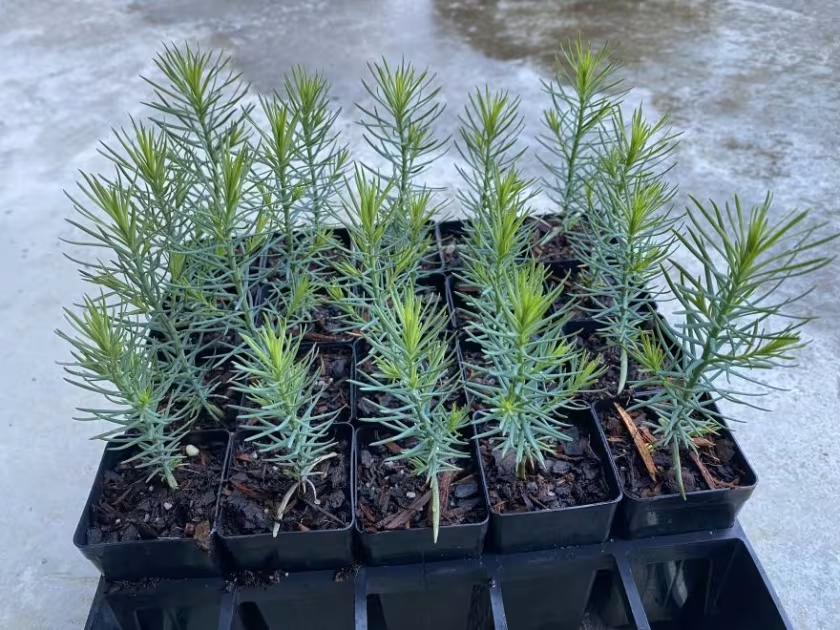
In nursery conditions, seeds are sown in well-draining, acidic substrates during late winter or early spring. Proper moisture management is essential to stimulate successful germination.
Seeds may require a short period of cool stratification to break dormancy, mimicking the natural high-altitude environment in which the species natively thrives.
Seedlings should be transplanted to their permanent location at the onset of the rainy season to allow sufficient root establishment before the dry cycle begins.
Planting density is crucial for long-term growth; for forestry purposes, spacing must be managed to ensure proper air circulation and to minimize competition for nutrients.
Growing requirements
Widdringtonia whytei, a member of the Cupressaceae family, is a rare conifer endemic to the mountain plateaus of Malawi and Mozambique. It thrives in high-altitude, temperate climates.
The species requires deep, well-draining soils with an acidic pH. It is highly intolerant of waterlogged soil, which can lead to root decay and rapid decline of the specimen.
This tree is light-demanding, though young saplings may benefit from partial shade. As a large conifer, it requires significant space to develop its canopy to its full potential.
Consistent atmospheric humidity and regular mountain mists are essential for the health of this tree, which restricts its successful cultivation to specific geographical niches.
While adapted to temperate mountain weather, the Mulanje cedar is sensitive to extreme heat and prolonged droughts, which can stress the tree and limit its physiological growth.
Yield
The wood of Widdringtonia whytei is highly prized for its durability, resistance to rot, and pleasant aromatic qualities, often referred to as Mulanje cedar.
Commercial harvesting is strictly regulated or prohibited due to the tree's threatened status in the wild, emphasizing the importance of conservation over industrial use.
When permitted, the timber is primarily used for high-end furniture, fine cabinetry, and musical instruments, where its aesthetic and structural properties are most valued.
The growth rate is relatively slow, making the production of high-quality timber a long-term investment requiring decades of careful forest management and protection.
Beyond its timber, the tree serves as an important ecological anchor in its native mountain forests, contributing to biodiversity and watershed protection in its range.
Main diseases and pests
Forest fires pose the most significant threat to Widdringtonia whytei populations. The high resin content in the wood makes the trees highly flammable, even in natural environments.
Historical over-exploitation and illegal logging have severely reduced the natural distribution of the species, necessitating active conservation and reforestation efforts.
Pests and pathogens affecting the Cupressaceae family can damage needles and young shoots, particularly in trees already weakened by changing environmental conditions.
Root rot caused by poor soil drainage remains a frequent issue in nursery and plantation settings, highlighting the necessity of site selection based on soil structure.
Climate change and habitat fragmentation represent long-term threats to the natural regeneration of the species, as changing weather patterns disrupt traditional growth cycles.