
Widdringtonia nodiflora
Widdringtonia nodiflora
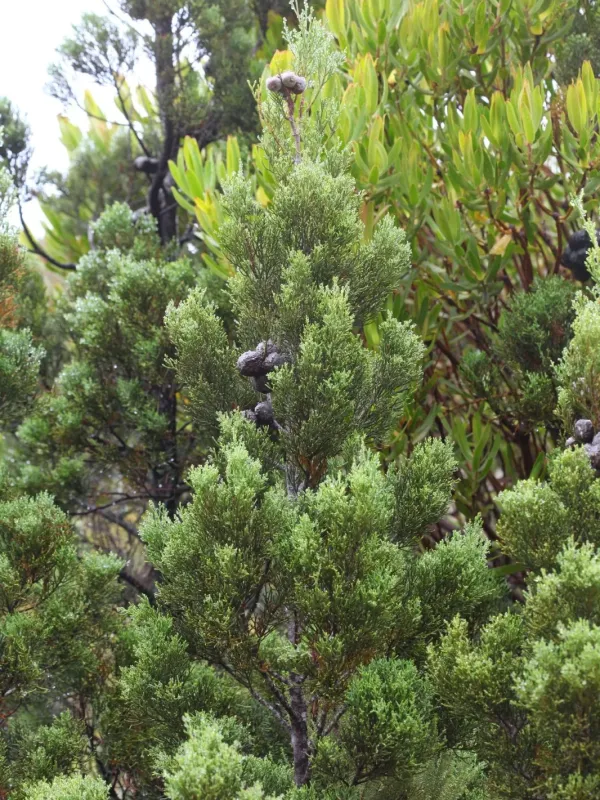
Description
Growing requirements
Widdringtonia nodiflora, commonly known as the mountain cypress, is a coniferous species belonging to the Cupressaceae family. Native to the mountainous regions of South Africa, it is recognized for its fire-resistant properties and its ability to thrive in diverse ecological conditions.
Botanically, it typically grows as a large shrub or a small tree. Its leaves are small, scale-like, and evergreen, providing year-round foliage that is highly valued in landscape design for its deep green aesthetic and slow growth rate.
Regarding soil requirements, the species demands well-drained, acidic to neutral soil types. It is particularly sensitive to waterlogging, which often leads to root rot, so incorporating gravel or sand into the planting medium is highly recommended for containerized specimens.
Climate preferences for Widdringtonia nodiflora are characterized by mild, frost-free winters and warm, sunny summers. While the plant can tolerate light frost once established, it generally performs best in temperate climates where temperature extremes are minimized.
Maintenance involves periodic pruning to maintain the desired shape and size, especially when used in hedges. It is a drought-tolerant species once established, but young plants require consistent watering to develop a robust root system before being exposed to dry spells.
Main diseases and pests
The most significant threat to Widdringtonia nodiflora involves fungal pathogens, particularly those associated with the Phytophthora genus. These organisms exploit damp conditions to damage root structures, often resulting in sudden foliage collapse.
Insect pests such as spider mites and aphids are known to infest the foliage. These pests often go unnoticed until symptoms like yellowing, curling, or fine webbing appear, necessitating immediate horticultural oil or insecticide intervention.
Poor aeration around the base of the plant serves as a catalyst for disease outbreaks. Ensuring that the crown is not overly congested through thinning cuts allows for airflow, which significantly reduces the humidity levels that fungi find favorable.
Nutrient deficiencies, particularly magnesium or nitrogen, can lead to chlorosis and stunted growth. It is vital to apply balanced fertilizers during the active growing season to ensure the plant remains vigorous enough to resist opportunistic pest attacks.
Monitoring for any changes in the texture or color of the needles is the best practice for early detection of issues. A healthy specimen with adequate spacing from other plants will have the lowest risk of developing severe pest or disease complications.