
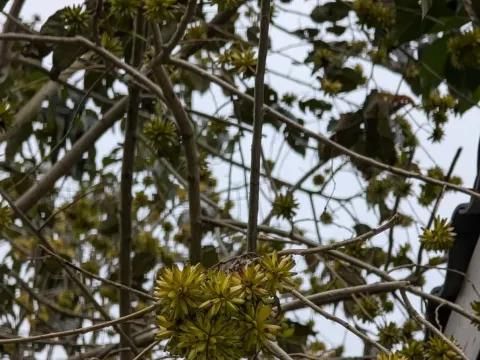
Camptotheca
Camptotheca
Propagation of Camptotheca is primarily carried out through seeds, which require stratification to improve germination rates. The optimal sowing time is in the spring, once the threat of frost has passed and soil temperatures have stabilized around 18–20 degrees Celsius.
What the section contains
Camptotheca
Seeds are sown in well-drained substrates, covered with a thin layer of soil. Germination can be prolonged, making consistent soil moisture a critical factor during the initial stages of cultivation.
In large-scale production, vegetative propagation via cuttings is also practiced, though this requires specialized greenhouses with misting control. Cuttings are taken from young shoots, using rooting hormones to improve survival rates in nursery containers.
Seedling transplantation to open fields occurs once the root system is sufficiently developed and the plant has acclimated to outdoor conditions. Providing adequate spacing between trees is essential, as Camptotheca rapidly gains vegetative mass under favorable conditions.
Crop rotation is generally not applied to this species, as it is a perennial woody plant that occupies the site for many years. Plantation development plans must consider long-term site management strategies.
Camptotheca is a heat-loving species native to the subtropical regions of China and Tibet. It thrives in mild climates without significant temperature fluctuations and requires protection from cold, dry winds in more northern latitudes.
The plant has moderate soil requirements, preferring fertile, loamy, or sandy soils with a neutral or slightly acidic pH. Quality drainage is the most important requirement, as waterlogging is detrimental to the plant's root system.
It is a light-demanding plant, requiring good exposure to sunlight for the active synthesis of camptothecin in its tissues. Low light levels slow down photosynthesis, which negatively impacts the concentration of alkaloids in the leaves and bark.
Regular irrigation is vital during the first year of the tree's life, while mature specimens demonstrate relative resistance to short periods of drought. Application of complex mineral fertilizers is recommended during the active growing season.
The species belongs to the Nyssaceae family (though sometimes classified under Cornaceae). It is a deciduous tree that can grow up to 20–25 meters in height, featuring a spreading crown and leathery foliage.
The primary value of Camptotheca lies in its content of camptothecin, an alkaloid with significant anti-cancer properties. The highest concentration of this compound is found in the leaves and bark of young trees aged 3 to 5 years.
Biomass yield depends on planting density and agricultural management practices. Under intensive cultivation, significant volumes of green mass can be harvested annually starting from the third year of the plantation's establishment.
Harvesting is performed mechanically or by hand. Strict adherence to drying and processing protocols is necessary to minimize the loss of sensitive active substances that degrade when exposed to high heat or UV light.
Biological productivity correlates strongly with nutritional quality and site microclimate. Optimized mineral feeding, particularly with nitrogen-rich fertilizers, helps increase foliage yield per unit of area.
Pharmaceutical industry standards focus not only on total mass but also on the percentage of camptothecin. Regular crown pruning stimulates the growth of new shoots, thereby enhancing the overall productivity of the plantation.
Camptotheca possesses a relatively robust natural immune system, making it resistant to many common pests found in fruit crops. However, the risk of pathogen spread increases significantly in monoculture environments.
Fungal root rot is the most common issue, typically caused by overwatering and poor drainage. Prevention involves careful water management and the use of fungicide treatments during the early stages of disease onset.
Insect pests, such as leafrollers and various aphid species, can cause damage to young shoots during spring growth. Pest control is managed using biological or systemic insecticides once threshold levels are reached.
The risk of powdery mildew increases in high-humidity environments with dense plantings. Pruning and crown thinning are primary agrotechnical methods used to manage and prevent such fungal outbreaks.
Monitoring the health of the plantation must be regular, as any stress factor inhibits the synthesis of secondary metabolites, which is critical for the commercial viability of Camptotheca in medical production.
Harvesting Camptotheca for pharmaceutical raw materials usually takes place in late summer or early autumn, when the concentration of active substances in the leaves reaches its peak.
Leaves are collected by hand or using specialized mechanical harvesters. The harvested material is immediately sent for processing to prevent fermentation and the oxidation of valuable compounds.
Bark can be collected during routine sanitary pruning, though this is considered a secondary source. Production focus remains on the renewable resource of young foliage, which is less invasive for the tree's long-term health.
Drying is performed in controlled airflow chambers with strict temperature limits. Overheating the raw material leads to the degradation of camptothecin, making automated drying systems essential for quality control.
Storage of the dried material requires dark, dry, and cool facilities. The product must be protected from moisture and direct sunlight, as the active substances are prone to photo-degradation over long periods.