
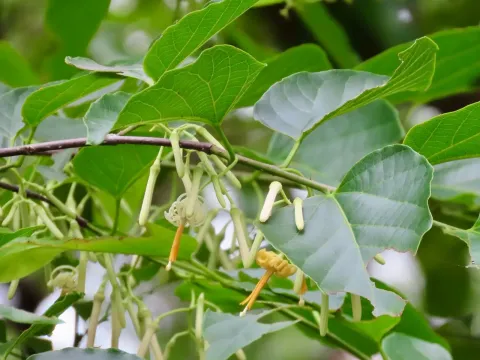
Alangium
Alangium
The propagation of Alangium is typically achieved through seeds, which require stratification to break dormancy before being sown in a nutrient-rich substrate.
What the section contains


Alangium
Sowing should ideally occur in early spring to take advantage of the warming temperatures, which are essential for consistent germination across the seed bed.
Stem cuttings can also be used for vegetative propagation, requiring high humidity levels and rooting hormones to successfully establish a viable root system.
Young seedlings must be nurtured in controlled nursery conditions for at least a season before they are hardened off and transplanted into their permanent outdoor location.
Careful attention to spacing is required to ensure that the plants have adequate room for canopy development as they mature into medium-sized shrubs or trees.
Alangium is a genus of trees and shrubs belonging to the Cornaceae family, known for their distinct foliage and presence in tropical to subtropical ecosystems.
The plant thrives in fertile, loamy soils that possess excellent drainage qualities, as the root system is highly sensitive to waterlogged or hypoxic conditions.
These plants require a warm, frost-free climate with consistent rainfall or supplemental irrigation to maintain the moisture levels necessary for robust vegetative growth.
Full sun to partial shade is the preferred light requirement; however, protection from intense midday heat is recommended in regions with very high solar radiation.
Regular maintenance, including mulching and balanced fertilization, supports the health and longevity of the plant, especially in competitive garden environments.
Fungal pathogens represent the most significant threat to Alangium, particularly when plants are grown in environments with poor air circulation and high humidity.
Common sap-sucking pests like scale insects and mealybugs can cause significant damage to new growth and overall plant vigor if left untreated for extended periods.
Cultural control, such as sanitizing garden tools and practicing proper pruning, is essential to minimize the spread of diseases within the planting site.
If chemical intervention becomes necessary, systemic insecticides applied during the early onset of an infestation can protect the tree without causing significant phytotoxicity.
Continuous monitoring of the foliage for signs of chlorosis or leaf spot helps in identifying potential stress factors before they manifest into severe crop damage.