
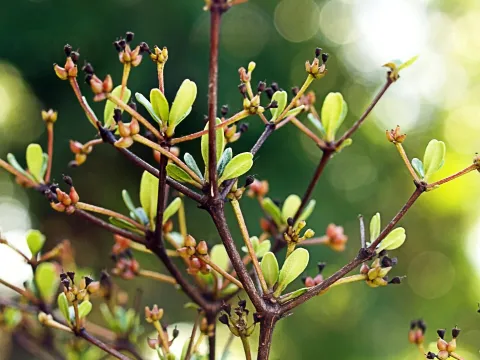
Terminalia spinosa
Terminalia spinosa
Terminalia spinosa is a distinctive tree species belonging to the Combretaceae family, native to the arid and semi-arid regions of East Africa. It is widely recognized for its high level of adaptation to extremely harsh environmental conditions, including prolonged drought and infertile, rocky soils.
What the section contains
Terminalia spinosa
This species thrives in areas with low rainfall, utilizing its deep root system to access groundwater reservoirs that are unreachable by many other plants. Its ability to stabilize soil and prevent desertification makes it an essential component of modern ecological restoration projects in tropical drylands.
The botanical structure of the tree includes prominent spines on the branches, which serve as a primary defense mechanism against grazing animals. The foliage is designed to minimize water loss, featuring a thick cuticle that reflects solar radiation and reduces transpiration rates during peak temperatures.
Agricultural practices for this culture emphasize minimal intervention after the establishment phase. Initial planting requires careful site selection to ensure good drainage, as the species is highly sensitive to waterlogging, which can impede root respiration and lead to developmental issues.
Economically, the wood of Terminalia spinosa is highly valued for its exceptional density, hardness, and durability. It is frequently utilized in the construction of traditional structures, as well as for creating windbreaks that protect agricultural plots from severe wind erosion in desertified landscapes.
The primary threats to Terminalia spinosa involve various wood-boring insects that target the stem and branches, creating channels that weaken the structural integrity of the tree. These damages are particularly severe in regions experiencing high levels of environmental stress.
Fungal pathogens represent a significant risk, especially in plantation settings where poor soil drainage or excessive irrigation creates a humid microclimate. Root rot is the most common condition, often resulting from stagnant water accumulating around the base of the tree.
Leaf-eating pests can also affect the vitality of seedlings in nursery environments, leading to reduced photosynthesis and slower growth rates. Integrated pest management, focusing on early detection and biological control, is recommended for nursery maintenance to ensure healthy sapling development.
Mechanical damage to the bark, whether from animals or improper human activity, serves as an entry point for secondary infections. Maintaining a protective barrier around young saplings is a critical agrotechnical requirement to prevent damage until the tree develops its defensive thorny armor.
Strategic planting, which includes proper spacing, is essential to ensure adequate airflow and sunlight penetration. By reducing overcrowding, growers can significantly lower the incidence of pathogenic outbreaks and maintain the overall health and productivity of their plantations.