
Zambezi terminalia
Terminalia sambesiaca
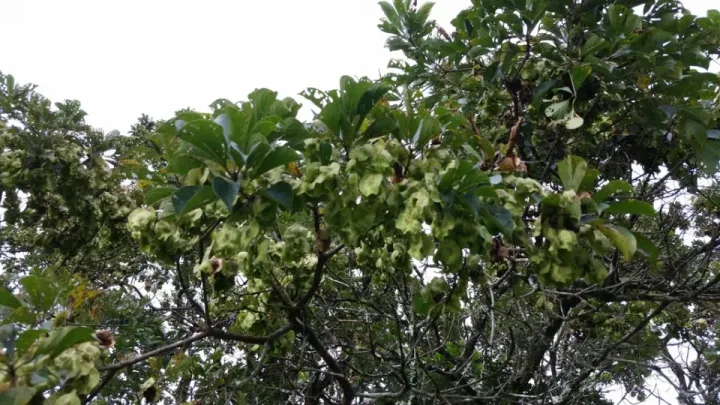
Description
Growing requirements
Zambezi terminalia (Terminalia sambesiaca) is a significant tree species belonging to the Combretaceae family. Native to the tropical regions of Southern Africa, it is frequently found in the riverine habitats and savannah woodlands, particularly near the Zambezi River basin.
Botanically, the tree is characterized by a strong, resilient trunk and a deciduous growth habit. Its foliage is specifically adapted to the harsh, high-intensity sunlight typical of its natural range, featuring leathery leaves that minimize excessive moisture loss during hot seasons.
The plant requires well-drained soil conditions to flourish and is particularly sensitive to prolonged waterlogging, which can affect root health. It is highly drought-tolerant once established but needs careful protection from frost during the initial stages of its life cycle.
In terms of silvicultural practices, site selection is crucial to ensure long-term productivity. The tree thrives in sunny, open areas where root expansion is not hindered by rocky or compacted soil structures, allowing it to reach its full height and girth.
The economic value of this species is primarily centered on its timber. The wood is dense, durable, and resistant to common pests, making it a valuable resource for local construction, high-quality furniture making, and various outdoor carpentry applications.
Main diseases and pests
The primary threats to Terminalia sambesiaca involve soil-borne fungal pathogens, which can cause root rot, especially in poorly drained nursery conditions. Managing soil moisture is the most effective preventative strategy against these infections.
Insect pests, particularly wood-boring beetles, pose a recurring challenge for plantation management. Periodic inspections and the removal of severely infected wood are standard practices to prevent the spread of infestations and protect the quality of the timber harvest.