
Terminalia phanerophlebia
Terminalia phanerophlebia
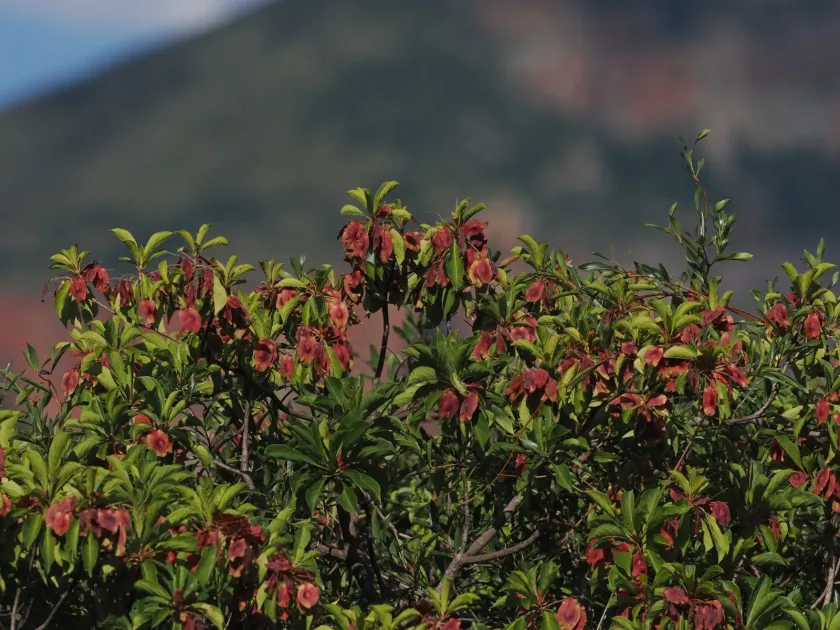
Description
Growing requirements
Terminalia phanerophlebia is a notable species belonging to the Combretaceae family, native to tropical environments where it thrives in diverse forest habitats.
The species requires a climate with high temperatures and consistent warmth throughout the year, as it is highly sensitive to frost and extreme cold snaps.
For optimal development, the tree demands significant sunlight exposure and should be planted in open areas to avoid canopy competition that stunts growth.
Soil requirements are relatively specific; the tree favors well-drained, fertile soils that do not suffer from prolonged waterlogging during the rainy season.
Agronomic management involves periodic pruning to shape the canopy, which encourages robust vertical growth and improves overall structural stability.
Yield
The primary economic value of Terminalia phanerophlebia lies in its timber production, which is utilized in various wood-working and construction applications.
Beyond timber, the species plays a vital role in reforestation projects aimed at restoring ecological balance in depleted tropical landscapes.
Research into the biochemical properties of the plant suggests potential applications for its secondary metabolites in the fields of traditional medicine and industry.
Yield efficiency is significantly increased through proper spacing and regular thinning practices during the first few years of the plantation development.
Harvesting strategies are typically aligned with the maturity cycles of the tree to ensure the maximum yield of high-quality wood per hectare.
Main diseases and pests
The most common biological threats include fungal infections that target root systems, particularly in regions with poorly managed drainage and humidity levels.
Various insect pests, including leaf-miners and wood-boring beetles, can pose a risk to the tree's health if the stands are not monitored properly.
Integrated pest management (IPM) is highly recommended to mitigate the impact of infestations while maintaining the biodiversity of the surrounding ecosystem.
Routine inspections are essential for early detection of pathogens, allowing for surgical removal of infected branches before the disease spreads further.
Maintaining a healthy, clean plantation floor helps reduce the habitat availability for common forest pests and pathogens that may affect the crop.