
Terminalia sericocarpa
Terminalia sericocarpa
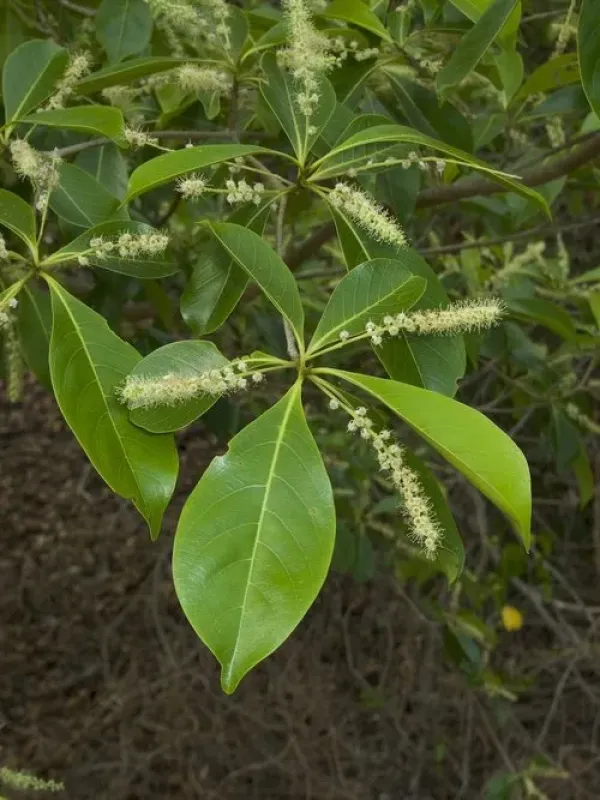
Description
Growing requirements
Terminalia sericocarpa is a large, deciduous tree species belonging to the Combretaceae family. Native to the tropical regions of Northern Australia and parts of New Guinea, it is typically found in monsoon forests and riparian environments.
The species requires a strictly tropical climate to thrive. It is highly sensitive to cold temperatures and cannot tolerate frost; therefore, cultivation is limited to equatorial or sub-equatorial zones with consistent year-round warmth.
Regarding soil requirements, the tree prefers deep, fertile, and well-draining soils. It performs best in alluvial soils found along river valleys, where nutrient availability is high and moisture levels remain relatively stable throughout the growing season.
Water management is a critical aspect of its cultivation. While the tree is adapted to a wet-dry climate, optimal growth occurs when there is sufficient rainfall or supplementary irrigation to support its rapid development during the peak growing phase.
Adequate sunlight is essential for the healthy development of the crown and the structural integrity of the stem. While juvenile trees show some tolerance to partial shade, mature trees require full sun exposure to reach their maximum potential height.
Yield
The primary economic value of Terminalia sericocarpa lies in its timber production. When grown in well-managed plantations, the tree yields high-quality hardwood suitable for various structural and decorative applications.
The wood is recognized for its durability and strength, making it an excellent choice for construction framing, furniture manufacturing, and cabinetry. Sustainable harvesting of this species supports the local timber industry.
Beyond its timber value, the species serves an important role in land rehabilitation and reforestation projects. Its rapid growth rate helps stabilize soils and restores canopy cover in degraded tropical landscapes.
Research into the secondary metabolites found in its bark and fruit is ongoing. These compounds may have future applications in the pharmaceutical and tanning industries, providing additional value to forest landowners.
To maximize yields, plantations must be managed with proper spacing to reduce competition for nutrients and light. Thinning operations are necessary to ensure that the remaining trees develop high-quality, straight trunks.
Main diseases and pests
Root rot caused by fungal pathogens is a primary threat, especially in waterlogged or poorly drained soils. Regular monitoring and drainage maintenance are critical components of the site preparation process.
Boring insects and bark beetles pose a significant risk to tree health. Infestations can compromise the structural quality of the timber, necessitating an integrated pest management strategy to mitigate potential losses.
Foliar diseases, triggered by high humidity and poor air circulation, can lead to defoliation and reduced photosynthetic capacity. Strategic spacing and pruning help to improve airflow within the plantation.
Weed competition represents a major challenge during the establishment phase. Effective weed control measures must be implemented for the first several years to ensure that young saplings are not outcompeted for resources.
Environmental stressors such as high-velocity winds during tropical storms can cause mechanical breakage. In high-risk areas, the selection of sheltered planting sites is recommended to protect the integrity of the forest stand.