
Terminalia platyphylla
Terminalia platyphylla
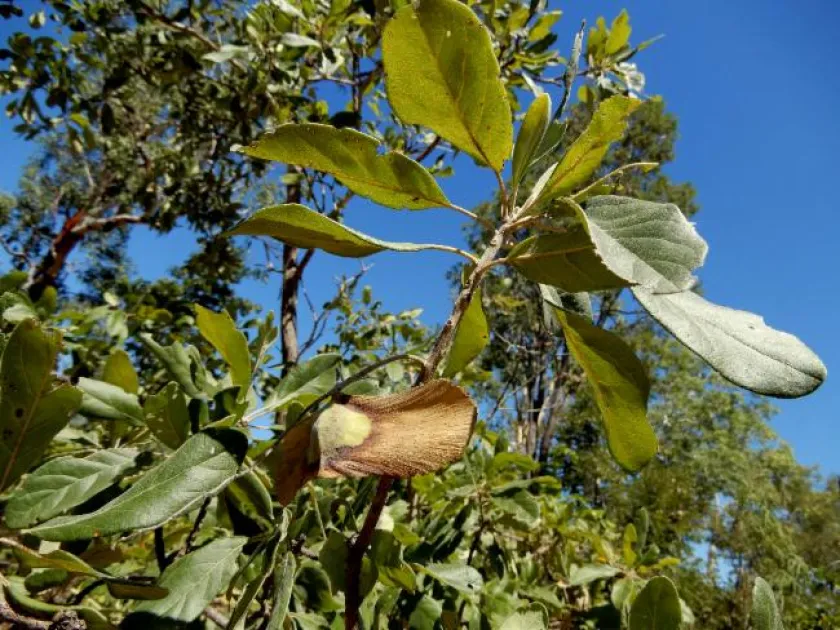
Description
Growing requirements
Terminalia platyphylla is a robust tree species belonging to the Combretaceae family. Native to tropical northern Australia and parts of Southeast Asia, it is known for its adaptation to savanna-like environments and riparian zones.
The tree thrives in well-drained soils, showing a preference for alluvial loams that provide both moisture and aeration. It is capable of growing in diverse soil types but requires adequate depth for root establishment.
Climatic requirements focus on a tropical regime with distinct wet and dry seasons. It is highly intolerant of frost, requiring consistently warm temperatures throughout the year to maintain its biological processes.
Agricultural management requires full sunlight exposure. In shade-dominated areas, the tree exhibits significantly slower growth rates and reduced canopy density, impacting its overall health.
Soil management must ensure a balance of moisture. While the plant can tolerate ephemeral flooding near riverbanks, it is critical to prevent stagnant water from saturating the rhizosphere for prolonged periods.
Harvesting
The economic value of Terminalia platyphylla is primarily derived from its high-quality timber. The wood is dense, durable, and resistant to decay, making it suitable for high-end construction and furniture production.
Secondary uses include the extraction of tannins from the bark and foliage. These substances have historically been utilized in local traditional industries and leather tanning processes.
In landscaping, this species serves as a valuable shade tree. Its large, broad leaves effectively block solar radiation, improving the microclimate in urban and recreational spaces.
The collection of fruit for propagation must be carefully timed. Harvesters monitor the transition in fruit color to ensure seeds are fully mature, which is vital for successful germination in nurseries.
Sustainable forestry practices are essential for this culture. By implementing selective logging and reforestation programs, cultivators ensure the long-term viability of Terminalia stands for future yields.