
Terminalia stuhlmannii
Terminalia stuhlmannii
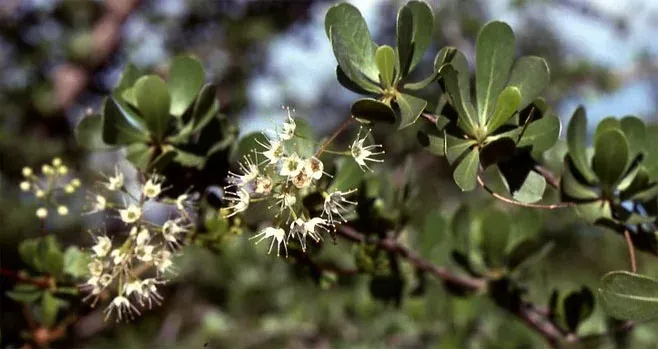
Description
Growing requirements
Terminalia stuhlmannii is a distinguished woody species belonging to the Combretaceae family. This tree is recognized for its robust growth habit and significant ecological footprint within its native range in East Africa.
Geographically, the species is indigenous to the tropical regions of countries such as Tanzania. It has adapted to thrive in savannah landscapes and woodland environments that undergo distinct wet and dry seasons, characterizing its phenology.
The environmental requirements for this crop involve high temperatures and consistent exposure to direct sunlight. It is an obligate heliophyte, meaning that canopy management is essential to prevent growth suppression during the early stages of forest establishment.
When selecting a site, it is critical to prioritize well-drained soil types. While the species is resilient in various tropical substrates, compacted soils or those with poor vertical drainage often lead to decline and are unsuitable for commercial production.
From an industrial perspective, Terminalia stuhlmannii is valued for its high-quality timber. The wood is utilized in local construction and carpentry, and the species is also promoted for soil conservation initiatives to prevent erosion in sensitive tropical zones.
Main diseases and pests
The primary threats to Terminalia stuhlmannii include wood-boring insects and termites, which are prevalent in its habitat. Furthermore, the species is susceptible to various fungal pathogens that flourish if soil drainage is compromised, leading to root rot and systemic health issues.