
Yellow trumpet tree
Tabebuia aurea
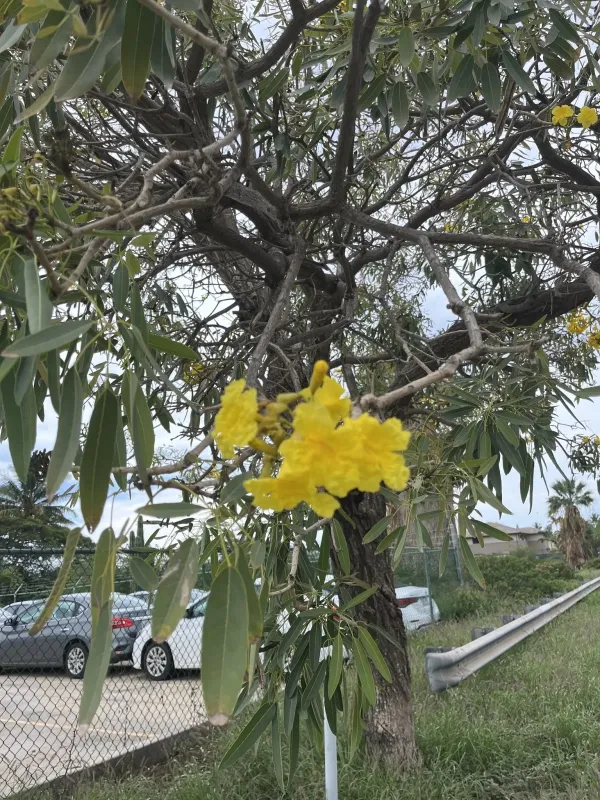
Description
Sowing dates
Propagation of Tabebuia aurea is typically achieved through seeds or stem cuttings in controlled greenhouse environments. Seeds should be sown in a well-draining, lightweight substrate immediately after harvesting to maintain their high viability.
The optimal sowing season is spring, as the increasing day length and warmer temperatures facilitate rapid germination. Seeds are covered with a thin layer of substrate, usually no deeper than 2 centimeters, to allow sufficient aeration.
For vegetative propagation, semi-hardwood cuttings are harvested during the peak growth season. The use of rooting hormones and bottom heating is highly recommended to stimulate development in a nursery environment.
Once seedlings develop their first true leaves, they are moved to individual pots to establish a strong root system. Transitioning to an outdoor location should occur only after the risk of frost has completely passed.
A hardening-off process is essential for success, where seedlings are gradually exposed to outdoor conditions over several weeks to prevent transplant shock.
Growing requirements
Tabebuia aurea belongs to the Bignoniaceae family and is native to the tropical regions of South America. It is a heliophilic species that requires full sun exposure to flourish and produce its characteristic golden blossoms.
The plant thrives in well-draining soil types, ranging from sandy to loamy textures, with a neutral to slightly acidic pH. While it is naturally drought-tolerant, consistent watering is beneficial during the initial growth phases.
Temperature is a major constraint, as this species is not frost-hardy and will suffer damage if exposed to freezing conditions. In temperate regions, it is managed as a container plant that must be moved indoors for winter.
Good agricultural practice includes periodic fertilization during the growing season to support flowering. Pruning should be performed after the flowering phase to maintain a dense, aesthetic canopy structure.
The species shows remarkable adaptability to various tropical climates but requires shelter from strong, persistent winds. Ensuring adequate spacing between plants is crucial for air circulation and light penetration.
Main diseases and pests
Common pests include aphids, scale insects, and spider mites, which can infest tender shoots and foliage. These pests are particularly prevalent during periods of low humidity or poor environmental sanitation.
Fungal diseases, such as leaf spot or root rot, often emerge as a result of waterlogged soil or poor ventilation. The use of preventative fungicide treatments and strict moisture management is necessary for control.
Regular monitoring of the canopy is vital for early detection of infestations. Maintaining plant vigor through balanced fertilization and proper hydration makes the tree more resistant to minor pest pressures.
Poor drainage is the primary cause of root-related issues, so ensuring the growing medium remains porous is a key agronomic requirement. Tools used for pruning should always be disinfected to prevent disease spread.
In cases of severe infestation, systemic insecticides can be applied; however, it is essential to follow manufacturer guidelines carefully to ensure the safety of the plant and surrounding environment.