
Incarvillea delavayi
Incarvillea delavayi Bureau & Franch.
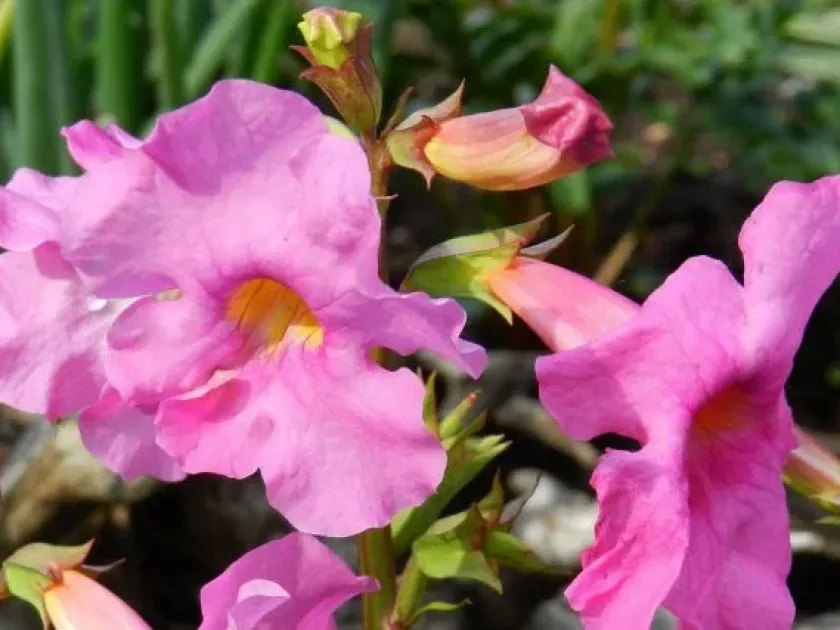
Description
Sowing dates
Sowing Incarvillea delavayi seeds for seedlings is typically carried out in March or early April to ensure the plant has enough time to establish before summer.
Direct sowing into the soil is possible in May once the danger of night frosts has passed, although flowering will only occur in the plant's second year.
To improve germination rates, it is recommended to stratify the seeds for several weeks or use growth stimulants before placing them in the substrate.
The seeds should be sown at a shallow depth of approximately 0.5–1 centimeter, ensuring adequate light exposure for successful emergence.
Pricking out the seedlings should be done with care to protect the sensitive taproot, which is essential for the plant's structural integrity and long-term health.
Growing requirements
Incarvillea delavayi, belonging to the Bignoniaceae family, originates from mountainous regions in China and requires specific environmental conditions to thrive.
The plant prefers well-lit areas with protection from strong, cold winds. It performs best in fertile, light soil with excellent drainage to prevent waterlogging.
Good soil aeration is crucial. If the garden soil is heavy or clay-like, incorporating sand or fine gravel is necessary to prevent root rot during wet seasons.
Watering should be moderate and consistent throughout the growing season, especially during hot and dry spells, to maintain steady growth of the rosettes.
Winter protection is vital in colder climates. Mulching the crown with peat, compost, or evergreen boughs helps insulate the dormant buds against freezing.
Main diseases and pests
The primary threat to Incarvillea delavayi is root rot, which typically occurs due to poor soil drainage or excessive moisture during the dormant period.
Slugs and snails are the most common pests, as they frequently feed on the succulent leaves and tender flower stalks, potentially causing significant damage.
Aphids can occasionally infest the flower spikes. Targeted insecticidal soap sprays or systemic treatments are effective in managing these pest populations.
Wireworms may also attack the root system, so keeping the area weed-free and maintaining a loose soil structure helps minimize their presence around the plant.
Disease prevention is primarily achieved through proper site selection and meticulous attention to watering regimes, ensuring the roots remain healthy year-round.