
Finnish birch
Betula fennica
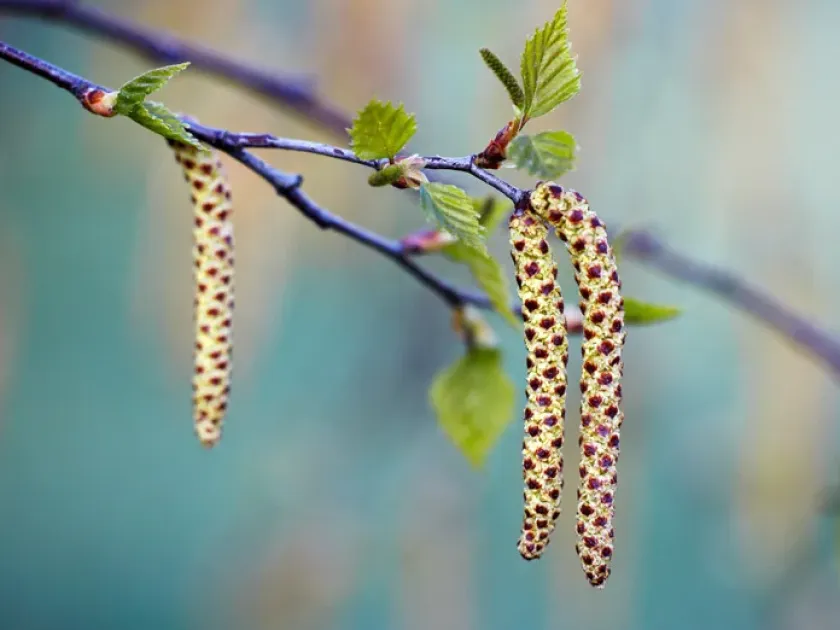
Description
Growing requirements
Finnish birch, classified botanically as Betula fennica, belongs to the Betulaceae family. It is a robust species naturally adapted to the temperate and boreal climatic zones of Northern Europe, demonstrating significant resilience to cold stress.
The tree thrives in well-drained, slightly acidic, fertile loamy soils. It avoids waterlogged areas, which makes site selection for plantations a critical step in its successful cultivation. Proper soil aeration is essential for the healthy development of its fibrous root system.
As a heliophilic species, Finnish birch requires full solar exposure for optimal photosynthesis and vertical growth. It does not perform well under a dense forest canopy, where growth rates tend to decrease, leading to weaker wood quality.
Agronomic maintenance includes regular weeding around saplings to reduce competition for nutrients and water. Mulching is highly recommended during the first three years of life to maintain soil moisture consistency and protect the roots from extreme temperature fluctuations.
The economic utility of the species is primarily focused on the timber industry. Its wood is appreciated for its consistent grain and mechanical properties, making it a viable choice for high-quality veneers, plywood, and furniture components.
Main diseases and pests
The most significant pathological threats include fungal pathogens that cause leaf spot and branch cankers. Maintaining a proper planting density is the primary defense strategy to ensure sufficient airflow and decrease the humidity levels that favor fungus growth.
In terms of insect pests, wood-boring beetles and defoliators pose the highest risk to tree health. Integrated pest management, including regular tree inspection and the removal of severely infested specimens, is vital for maintaining plantation longevity.