
Japanese hop-hornbeam
Ostrya japonica
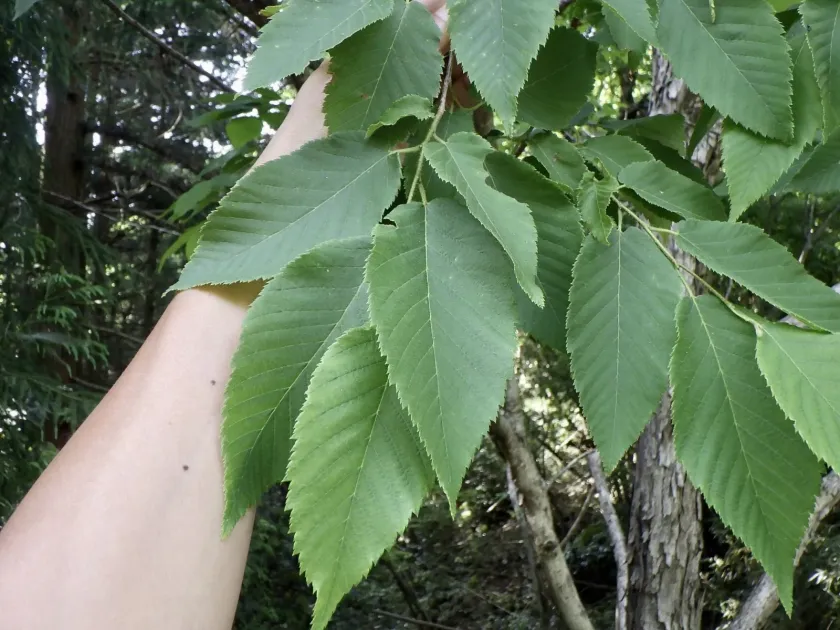
Description
Growing requirements
Japanese hop-hornbeam, scientifically known as Ostrya japonica, is a deciduous tree belonging to the Betulaceae family. It is recognized for its distinctive catkins and hop-like seed clusters, which provide significant aesthetic value to forest landscapes and botanical gardens.
The native distribution of this species spans across Eastern Asia, including Japan, the Korean Peninsula, and China. It typically inhabits mixed temperate forests, where it thrives in environments that provide sufficient seasonal moisture and protection from extreme weather conditions.
In terms of soil requirements, the species prefers deep, well-drained, and nutrient-rich substrates. It performs best in soils with a slightly acidic to neutral pH. Poorly drained, waterlogged soils must be avoided, as they frequently lead to root rot and diminished tree vigor.
Climatic adaptability is a strong point for Ostrya japonica, as it is generally cold-hardy. However, it requires a location with adequate air circulation and protection from severe winds, especially during the establishment phase of young saplings in new plantations.
Cultivation practices should focus on maintaining a healthy root zone. Adding organic mulch around the base helps retain moisture and regulate soil temperature, while light pruning during the dormant season encourages a stronger structural framework and improves overall tree form.
Main diseases and pests
Common plant diseases affecting this species include powdery mildew and localized fungal leaf spots, typically triggered by humid, stagnant air conditions. Improving airflow through selective pruning of crowded branches is an effective preventive measure for managing these issues.
Insect pests, such as aphids and various leaf-eating caterpillars, may occasionally infest the foliage. While these rarely pose a lethal threat to healthy, mature trees, they can cause temporary damage and reduced photosynthesis in young or stressed specimens.
Scale insects can also infest the bark, especially in dry, sheltered conditions. Regular inspections are advised to catch infestations before they spread significantly, utilizing horticultural oils when necessary during the early stages of the growing season.
Environmental stress is a primary driver of pest susceptibility. Ensuring consistent moisture levels and avoiding soil compaction near the root zone significantly enhances the tree's natural resistance to both pathogens and opportunistic insect pests.
Beyond its ecological role, Ostrya japonica is highly valued for its hardwood, which is exceptionally dense and durable. The timber is occasionally used in specialized tool making, though the tree's slow growth rate generally limits its commercial harvest for mass production.