
Farges hornbeam
Carpinus fargesiana
Description
Growing requirements
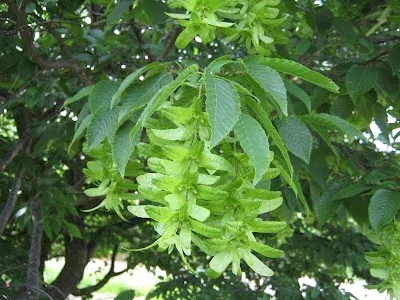
Farges hornbeam (Carpinus fargesiana) is a deciduous tree belonging to the Betulaceae family, native to the mountainous forests of Central and Western China. This species is recognized for its unique bark texture and elegant foliage, making it a desirable specimen for ornamental gardening and park restoration projects.
The tree thrives in fertile, loamy, and well-drained soils. Proper soil aeration is essential for the healthy development of its root system. While it is adaptable to various soil types, it performs best in slightly acidic to neutral environments, avoiding areas prone to waterlogging or compaction.
Regarding climate, Carpinus fargesiana prefers temperate conditions with moderate humidity. It shows a degree of frost resistance, though young specimens should be protected from harsh, cold winter winds. Planting in locations with dappled shade or partial sun helps maintain optimal growth rates.
Agrotechnical maintenance focuses on consistent moisture levels during the early stages of establishment. Regular mulching with organic material helps retain soil moisture and regulate ground temperature. Supplemental fertilization in spring can be beneficial to promote vigorous canopy development.
The primary use of this species is within the landscape industry. Its slow-growing nature and dense branch structure make it an excellent choice for specimen planting, formal avenues, and creating natural screens or hedges that provide privacy and aesthetic value throughout the growing season.
Main diseases and pests
Like many species in the hornbeam genus, this tree is relatively resilient to pests. However, it can be susceptible to powdery mildew or aphids in unfavorable, overcrowded conditions. Integrated pest management, including pruning for airflow and monitoring, is recommended for long-term health.