
American hophornbeam
Ostrya virginiana
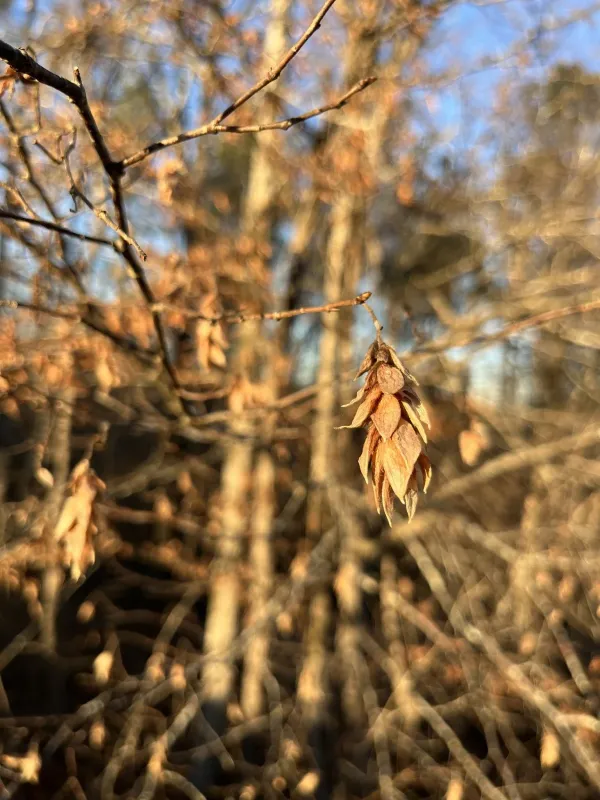
Description
Growing requirements
The American hophornbeam (Ostrya virginiana) is a member of the Betulaceae family. Native to North America, it is highly valued for its slow growth and exceptional wood density.
This species thrives in well-drained, fertile soils with high organic content. It is recognized for its remarkable shade tolerance, making it an excellent candidate for understory planting.
Climatic requirements involve moderate temperate zones. While it is hardy, the tree performs best in regions where moisture remains consistent throughout the growing season.
Agricultural management should focus on maintaining a healthy soil structure. Mulching is highly recommended to protect shallow roots from temperature extremes and compaction.
The timber is historically significant due to its hardness, often earning the tree the nickname "ironwood," which reflects its durability and physical resilience.
Main diseases and pests
Common pathological issues include leaf spot diseases, which typically develop during prolonged periods of high humidity and poor air circulation.
Pest activity often involves aphids and various caterpillars that feed on the foliage, although mature trees can usually withstand such infestations without lasting damage.
Root rot, specifically caused by fungal pathogens such as Armillaria, is a risk if trees are planted in sites prone to waterlogging or anaerobic soil conditions.
Bark beetles and borers represent a threat to younger or stressed individuals, potentially causing structural instability if left unmonitored for extended periods.
Preventive maintenance, including balanced fertilization and proper pruning of deadwood, remains the primary defense strategy against major pest and disease outbreaks.