
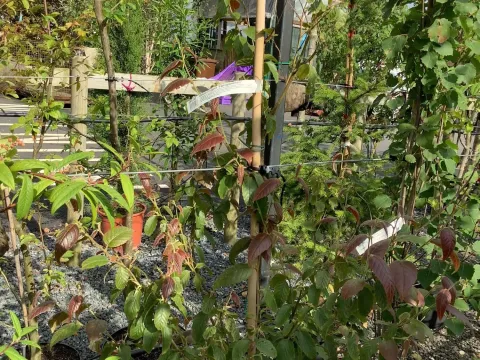
Betula insignis
Betula insignis
Betula insignis, commonly known as a remarkable birch, is a tree species belonging to the Betulaceae family. It is native to the high-altitude forests of China, specifically within the provinces of Yunnan and Sichuan, where it thrives in mountain ecosystems.
What the section contains
Betula insignis
This species requires cool and humid climatic conditions to maintain healthy growth. It is best suited for planting in well-drained, deep, and slightly acidic soils rich in organic matter, which mimic its natural forest floor habitat.
Regarding sunlight requirements, Betula insignis prefers positions with full sun to light shade. Adequate moisture levels must be maintained consistently, as the root system is sensitive to prolonged drought periods common in non-native urban environments.
In terms of agricultural and forestry cultivation, propagation is typically achieved through seeds gathered from mature cones. Planting should be done in early spring to allow the root system to establish before the heat of the summer months.
The cultural value of this species lies in its potential for botanical collections and specialized forestry projects that focus on conserving rare genetic lines of the genus Betula.
Like many members of the birch family, Betula insignis is susceptible to various fungal pathogens, particularly leaf rust and wood-decay fungi, which can be triggered by poor soil aeration and waterlogged roots.
Pests that pose a significant threat include leaf miners and bark beetles. These insects can cause severe damage to the vascular system of the tree, leading to decline if not addressed during the initial stages of infestation.
To mitigate these risks, it is recommended to practice good sanitation in the planting area, which includes the removal of fallen leaves and the pruning of infected branches to prevent the spread of spores.
Chemical control measures should be applied judiciously, focusing on systemic fungicides and insecticides that target specific life stages of the pests while minimizing impact on local pollinators.
Sustainable maintenance programs should emphasize tree vigor through proper fertilization and irrigation, as healthy trees possess much higher natural resistance to both diseases and insect attacks.