
Bog birch
Betula fruticosa
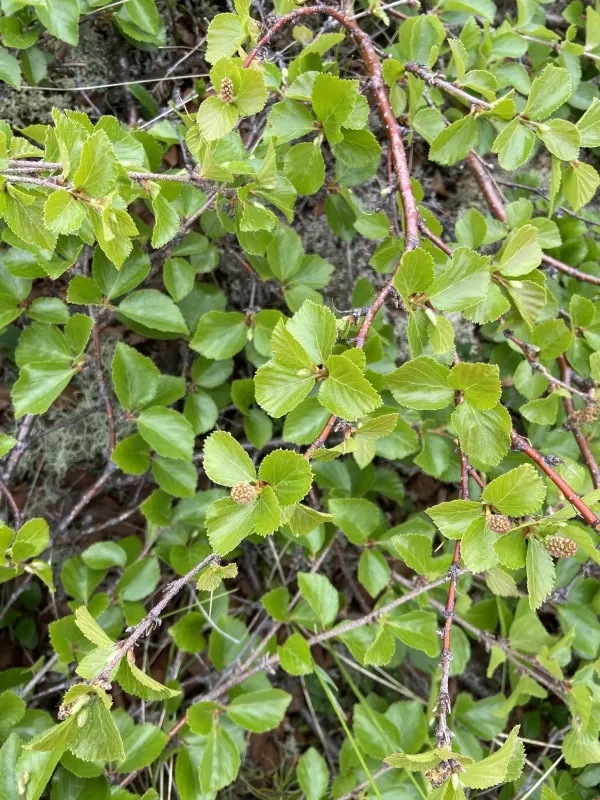
Description
Sowing dates
Propagation of Bog birch is primarily achieved through seeds, which should be sown in the autumn to undergo natural winter stratification.
If spring sowing is preferred, the seeds must be cold-stratified for at least two months to break dormancy and ensure consistent germination rates.
The planting medium should be a mixture of peat and sand, which mimics the natural acidic and moisture-retentive conditions of the bog environment.
Seeds are extremely small and should be sown on the surface of the growing medium, requiring full light exposure for successful germination.
After germination, seedlings require a consistently moist environment and protection from harsh, direct sunlight to develop a robust root system.
Growing requirements
Betula fruticosa belongs to the Betulaceae family and is recognized as a hardy, shrub-like birch species adapted to cool, moist environments.
This species thrives in acidic, waterlogged soils and is frequently found in peatlands and marshy habitats across its native distribution range.
It is remarkably tolerant of cold climates, making it an excellent candidate for boreal and temperate gardens with high soil moisture.
The plant performs best in full sun but demonstrates adaptability to semi-shaded conditions within managed landscapes or woodland edges.
Key cultivation techniques involve organic mulching to maintain soil moisture and avoiding deep cultivation near the roots to prevent damage.
Main diseases and pests
Bog birch is susceptible to various leaf-feeding insects, including aphids and beetle larvae that can cause aesthetic damage to the foliage.
Fungal infections such as powdery mildew may occur when humidity is high and air circulation around the shrub canopy is restricted.
Bark boring insects can pose a serious threat to the structural integrity of the plant, especially if the specimen is already stressed by drought.
Integrated pest management strategies should focus on maintaining plant health through proper site selection and balanced watering practices.
When chemical intervention is necessary, targeted applications of horticultural oils or fungicides should be used to minimize impact on beneficial fauna.