
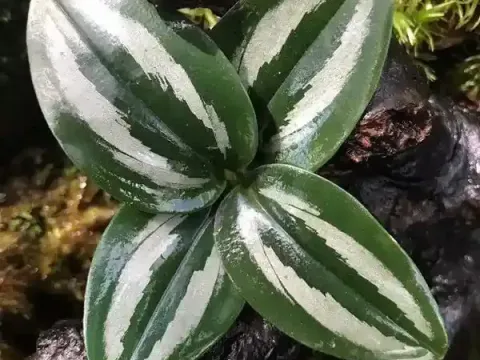
Scaphochlamys
Scaphochlamys
Scaphochlamys is a genus of perennial rhizomatous herbs belonging to the Zingiberaceae family. These plants are native to the tropical rainforests of Southeast Asia, with a high concentration of species found in Peninsular Malaysia and Borneo.
What the section contains

Scaphochlamys
To thrive, Scaphochlamys requires a humid tropical environment with consistent temperatures. In agricultural or horticultural practice, they must be grown in shaded conditions, as they naturally occupy the lower layers of the rainforest canopy.
The ideal soil medium should be loose, porous, and high in organic matter. A well-draining substrate consisting of peat, leaf mold, and perlite is essential to prevent root rot, which is the most common issue in cultivation.
Watering should be managed carefully to ensure the soil remains moist but never waterlogged. As many species have a distinct dormant phase, watering frequency should be reduced during the cooler months or when the plant stops active growth.
The primary use of Scaphochlamys is in ornamental horticulture. Its unique foliage patterns and compact growth habit make it a sought-after plant for specialized indoor collections and tropical conservatories.
Fungal infections are the most significant threat to Scaphochlamys, often triggered by poor drainage or inadequate air circulation. Root rot and leaf spotting can quickly debilitate the plant if not addressed early.
Pests such as spider mites are particularly problematic in dry indoor environments. These insects feed on the leaf tissues, leading to discoloration and eventual leaf drop if the infestation remains uncontrolled.
Mealybugs can also infest the plant, hiding in the tight crevices where leaves emerge from the rhizome. Regular monitoring of these areas is necessary to detect early signs of pest activity before they multiply.
Management involves using appropriate fungicides for soil-borne pathogens and specific miticides or insecticidal soaps for pests. Always ensure that the product is safe for sensitive tropical foliage.
Preventive measures include maintaining high humidity, ensuring adequate spacing between plants, and keeping the growing area clean. Healthy root development is the plant's best defense against environmental stress and disease.