
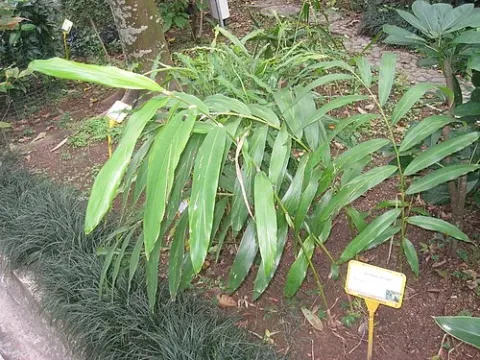
Wurfbainia
Wurfbainia
Wurfbainia is a genus of perennial herbaceous plants belonging to the Zingiberaceae (ginger) family, which was formerly classified under the genus Amomum.
What the section contains

Wurfbainia
These plants are native to the tropical forests of Southeast Asia and Southern China, where they thrive in warm, humid, and shaded ecological conditions.
Successful cultivation requires soil that is rich in organic matter, well-drained, and capable of retaining consistent moisture throughout the growing season.
Wurfbainia is highly sensitive to frost and extreme drought, necessitating a climate with stable temperatures, typically between 22 and 30 degrees Celsius.
The plant grows via rhizomes, which are crucial for both propagation and nutrient storage, requiring a mulch-rich surface layer to protect them from environmental stress.
The economic value of Wurfbainia lies primarily in its aromatic fruit and seeds, which are widely utilized as a culinary spice and in traditional Asian medicine.
Medicinally, the seeds are known to assist in digestive health, providing relief for gastrointestinal distress and acting as a mild anti-inflammatory agent.
Harvesting is labor-intensive and involves selective picking of mature pods, as the inflorescences often mature at different rates throughout the season.
Post-harvest processing involves immediate drying of the fruit to prevent fungal growth and to lock in the essential oil profile that determines the product's market value.
Careful storage in cool, dry conditions is essential, as the high concentration of volatile oils makes the dried product susceptible to aroma degradation if exposed to heat.