
Scaphochlamys kunstleri
Scaphochlamys kunstleri
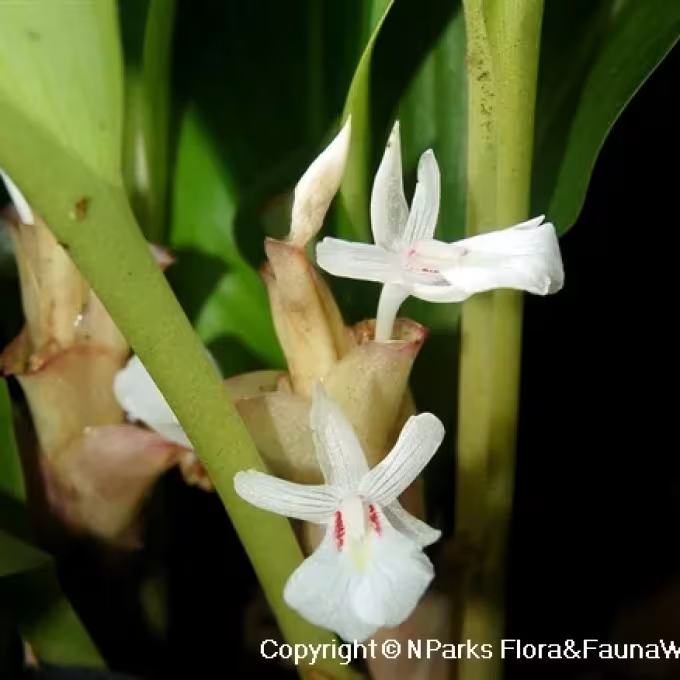
Description
Growing requirements
Scaphochlamys kunstleri belongs to the Zingiberaceae family, commonly known as the ginger family. This perennial herb is native to the lush, humid rainforests of Southeast Asia, thriving in the understory where light levels are filtered and consistent.
The climate requirements for this species are strict, demanding tropical conditions with year-round temperatures between 22°C and 28°C. It is intolerant of cold drafts and temperatures below 15°C, which can cause severe physiological stress to the plant.
Soil composition must mimic the forest floor, characterized by high organic matter content, slightly acidic pH, and excellent aeration. The use of a well-draining potting medium is essential to prevent the rhizomes from sitting in stagnant water, which leads to decay.
High relative humidity is necessary for the optimal growth of Scaphochlamys kunstleri. In agricultural or greenhouse settings, humidity should be maintained at 70% or higher to ensure the health of the foliage and support active transpiration.
Strategic irrigation involves keeping the substrate consistently moist but never waterlogged. During the growing season, a balanced liquid fertilizer with trace elements can be applied to support the development of the lush, decorative leaves characteristic of the genus.
Main diseases and pests
Root rot, caused by fungal pathogens such as Pythium or Phytophthora, is the most significant threat to Scaphochlamys kunstleri. This typically occurs in poorly drained soils where oxygen cannot reach the root system, emphasizing the importance of porous growing media.
Spider mites are the most common pest, especially in environments where air circulation is poor or humidity is inconsistent. These pests cause chlorotic spots on the leaves and can significantly weaken the plant if left untreated.
Mealybugs and scale insects may also infest the plant, particularly in the leaf axils. Physical removal or the application of insecticidal soaps is generally effective if the infestation is detected early during routine plant inspections.
Fungal leaf spots can arise when foliage remains wet for extended periods in low-light conditions. Providing adequate air movement is a primary preventative measure to ensure leaf surfaces dry effectively while maintaining ambient humidity.
- Use high-quality perlite or volcanic rock for drainage
- Sanitize tools before and after pruning
- Ensure steady ambient humidity via misting systems
- Monitor the plant base for signs of discoloration