
Scaphochlamys biloba
Scaphochlamys biloba
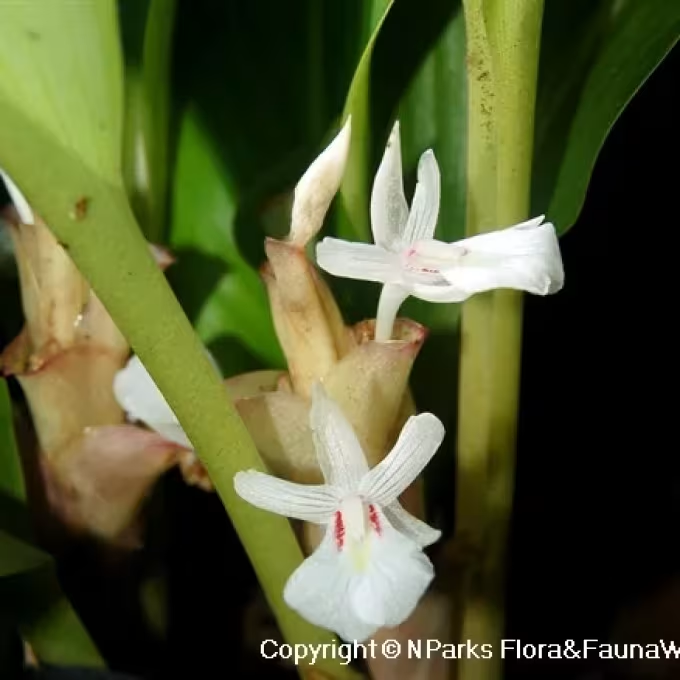
Description
Growing requirements
Scaphochlamys biloba is an herbaceous perennial belonging to the Zingiberaceae family. It is characterized by its rhizomatous growth habit, which allows the plant to persist in tropical forest understories by storing nutrients in fleshy underground structures.
Originating from the tropical regions of Southeast Asia, this species thrives in high-humidity environments with moderate shade. In an agricultural context, it is cultivated primarily in controlled environments, such as greenhouses, where light levels can be effectively managed to prevent leaf scorching.
The soil requirements for Scaphochlamys biloba focus on high porosity and organic matter content. A well-draining substrate, such as a peat-based mix supplemented with perlite, is essential to ensure that oxygen reaches the roots while maintaining necessary moisture levels for growth.
Temperature management is critical, with optimal growth occurring between 22°C and 28°C. Being a tropical plant, it does not tolerate temperatures below 15°C, as cold exposure can cause physiological damage to the foliage and dormancy in the rhizomes.
Fertilization regimes should be balanced, focusing on nitrogen for vegetative growth during the active season, transitioning to potassium-heavy formulas to support the healthy development of rhizomes, which are the main focus of this agricultural crop.
Main diseases and pests
The primary agricultural threats to Scaphochlamys biloba are soil-borne fungal pathogens. Species such as Pythium and Phytophthora can decimate rhizome crops if the drainage in the planting beds is inadequate, leading to rapid rotting of the plant's foundation.
Pests, particularly spider mites and mealybugs, are frequent issues in greenhouse production. These insects thrive in dry environments and can cause significant damage to the plant by extracting cell sap, resulting in stunted growth and leaf discoloration.
Integrated Pest Management (IPM) is recommended for this crop. This involves monitoring population thresholds, utilizing predatory beneficial insects for control, and applying selective miticides or insecticides only when biological controls are insufficient.
Sanitation practices are paramount in preventing the spread of diseases. This includes removing all decaying organic matter from the greenhouse floor, disinfecting tools, and ensuring that no contaminated soil is introduced into new propagation beds.
Effective management also requires careful irrigation scheduling. Avoiding overhead watering in late hours helps to keep the foliage dry, which significantly reduces the incidence of fungal leaf spots and bacterial blights that often affect tropical Zingiberaceae species.