
Hornstedtia
Hornstedtia
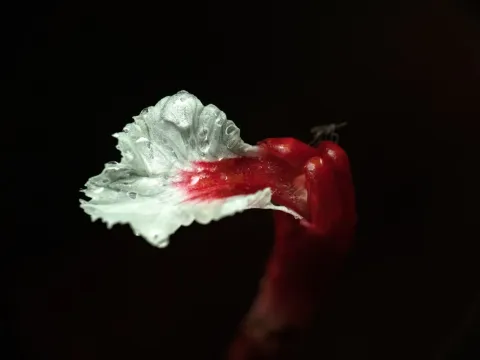
Hornstedtia is a genus of perennial herbaceous plants belonging to the family Zingiberaceae. These plants are native to the tropical regions of Southeast Asia, thriving in the dense, shaded environments of tropical rainforests.
What the section contains


Hornstedtia
Botanically, Hornstedtia is characterized by its robust rhizomes and tall, leafy stems that can reach significant heights. The leaves are typically lanceolate, arranged in a distichous pattern, which is a common trait among members of the ginger family.
To successfully cultivate Hornstedtia, it is essential to replicate its natural tropical habitat. The plant requires high atmospheric humidity, consistent temperatures, and protection from direct, scorching sunlight.
Soil requirements include high organic content, excellent drainage, and consistent moisture. Mulching with organic matter is highly recommended to mimic the forest floor conditions and maintain stable soil health.
The economic and culinary uses of the genus include the consumption of its inflorescences and fruits in local traditional diets. These parts of the plant are often prized for their unique aromatic properties and culinary versatility.
The primary threats to Hornstedtia crops include fungal pathogens that thrive in waterlogged soil conditions. Root rot is the most common issue when drainage is not properly managed in greenhouse or garden settings.
Pests such as spider mites and scale insects are known to infest the foliage, particularly in environments with stagnant air or low humidity. These pests can significantly reduce plant vigor if left untreated.
Effective management strategies involve ensuring proper ventilation around the plants to reduce humidity stress. Regular monitoring for signs of leaf yellowing or stunted growth is crucial for early detection.
Chemical control measures should be approached with caution, as Zingiberaceae species can be sensitive to certain pesticides. Integrated Pest Management (IPM) practices are preferred for maintaining a healthy growing environment.
Preventative measures include the removal of infected plant debris and the maintenance of a clean, sanitary growing space to minimize the risk of recurring pest and disease outbreaks.