
Hornstedtia lycostoma
Hornstedtia lycostoma
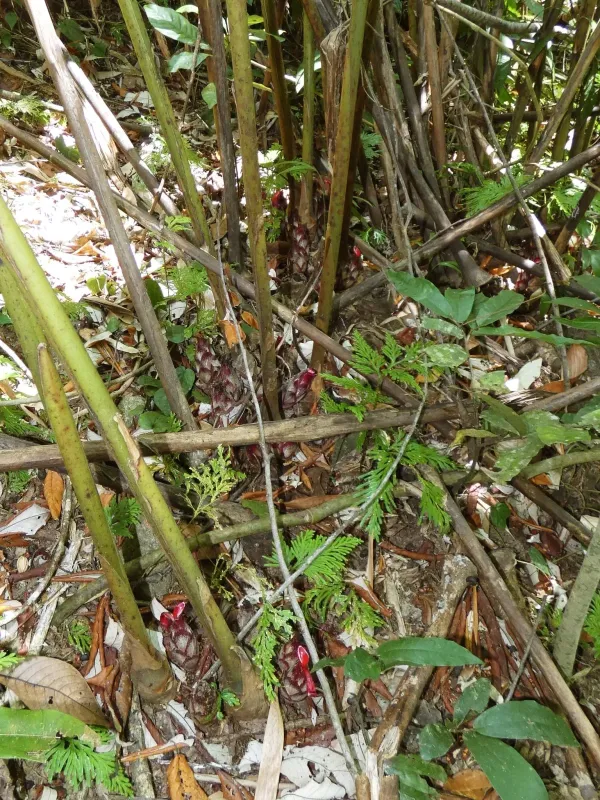
Description
Growing requirements
Hornstedtia lycostoma is a perennial herbaceous plant belonging to the Zingiberaceae family. This species is native to tropical habitats, where it thrives in conditions characterized by consistently high humidity, substantial rainfall, and warm temperatures throughout the year.
The botanical architecture of the plant is defined by its robust rhizomes and erect, leafy stems. These rhizomes serve as the primary storage organs, allowing the plant to survive and regrow even after periods of environmental stress, which is a common trait among its relatives in the ginger family.
Successful cultivation requires soil rich in organic matter, featuring a loose structure that ensures proper drainage. As a tropical species, it is highly sensitive to waterlogging, which can easily trigger root rot and significantly compromise the health of the entire plant population.
Light management is a critical factor in the plant's development. It is naturally adapted to the filtered light environment of the forest understory, meaning that protection from direct, intense sunlight is necessary to prevent leaf chlorosis and excessive transpiration.
Temperature stability is also paramount for maximizing biomass accumulation. Fluctuations in the climate, especially sudden cold spells, can inhibit physiological processes and slow down the development of the rhizomatous system, impacting the overall yield potential of the crop.
Harvesting
The agricultural use of Hornstedtia lycostoma primarily involves the harvesting of its rhizomes, which contain a variety of bioactive compounds and essential oils. These properties make the plant a subject of interest for both the food and pharmaceutical industries.
Harvesting is performed when the plant reaches physiological maturity, a stage when the accumulation of aromatic oils in the rhizomes is at its peak. Timing is essential to ensure that the harvested material meets the required chemical standards for commercial quality.
Techniques for gathering the harvest involve delicate excavation of the rhizomes from the soil. Care must be taken to minimize damage, as mechanical wounds to the rhizomes can provide entry points for pathogens and negatively affect the post-harvest storage lifespan.
Initial processing consists of removing residual soil and drying the rhizomes under controlled conditions. This drying stage is critical to stabilize the plant matter and preserve the volatile aromatic components that define its commercial and medicinal value.
In addition to conventional uses, ongoing research focuses on optimizing the cultivation cycle of Hornstedtia lycostoma to enhance its productivity and uniformity. Such advancements are vital for creating a reliable supply chain for this specialized botanical resource.